

Building a Fence: A Complete Guide to Permits, Materials, and Installation
Understanding Local Fencing Challenges
Maple Valley's location in the Cascade foothills creates distinctive challenges for fence installation. The area's rolling terrain, mature forests, and proximity to natural waterways like the Cedar River mean your fence needs to work with nature, not against it. Heavy winter rainfall - often exceeding 50 inches annually - combined with occasional snowfall demands materials and installation techniques that can withstand the Pacific Northwest's most challenging conditions. The abundance of wildlife, including deer and smaller animals, also influences fence design choices for properties backing onto wooded areas or greenbelts.
The community's rapid growth over the past two decades has created a mix of older established properties with mature landscaping and newer developments on previously forested land. This diversity means fence projects can range from replacing decades-old fencing around historic homes to first-time installations on newly developed lots where tree removal and grading have just been completed.
Permits and Local Regulations
Inside city limits, fence permits are handled by the City of Maple Valley, not King County. According to the City of Maple Valley permitting questions page, a fence greater than 6 feet in height requires a permit, while a fence under 6 feet does not. Parcels outside city limits in unincorporated King County follow similar county rules: fences 6 feet high or less do not need a building permit unless the property contains critical areas. However, you must still comply with zoning requirements regarding setbacks, height limitations, and sight-distance restrictions at street corners.
Front yard fences are generally limited to 4 feet in height, while side and rear yard fences can be built up to 6 feet without special approval. If your property is near a critical area such as wetlands, streams, or steep slopes - common in Maple Valley - additional restrictions may apply under King County's Critical Areas Ordinance. Properties within HOA-managed communities like Summit at Maple Valley or Wilderness Rim will have additional architectural requirements that must be met before installation.
Before installation, we strongly recommend obtaining a property survey to establish exact boundary lines. This is especially important in Maple Valley where older properties may have unclear boundaries and natural features like trees and slopes can obscure property lines. For questions about specific regulations, contact King County Permitting at 206-477-0478.
What We Install in This Area
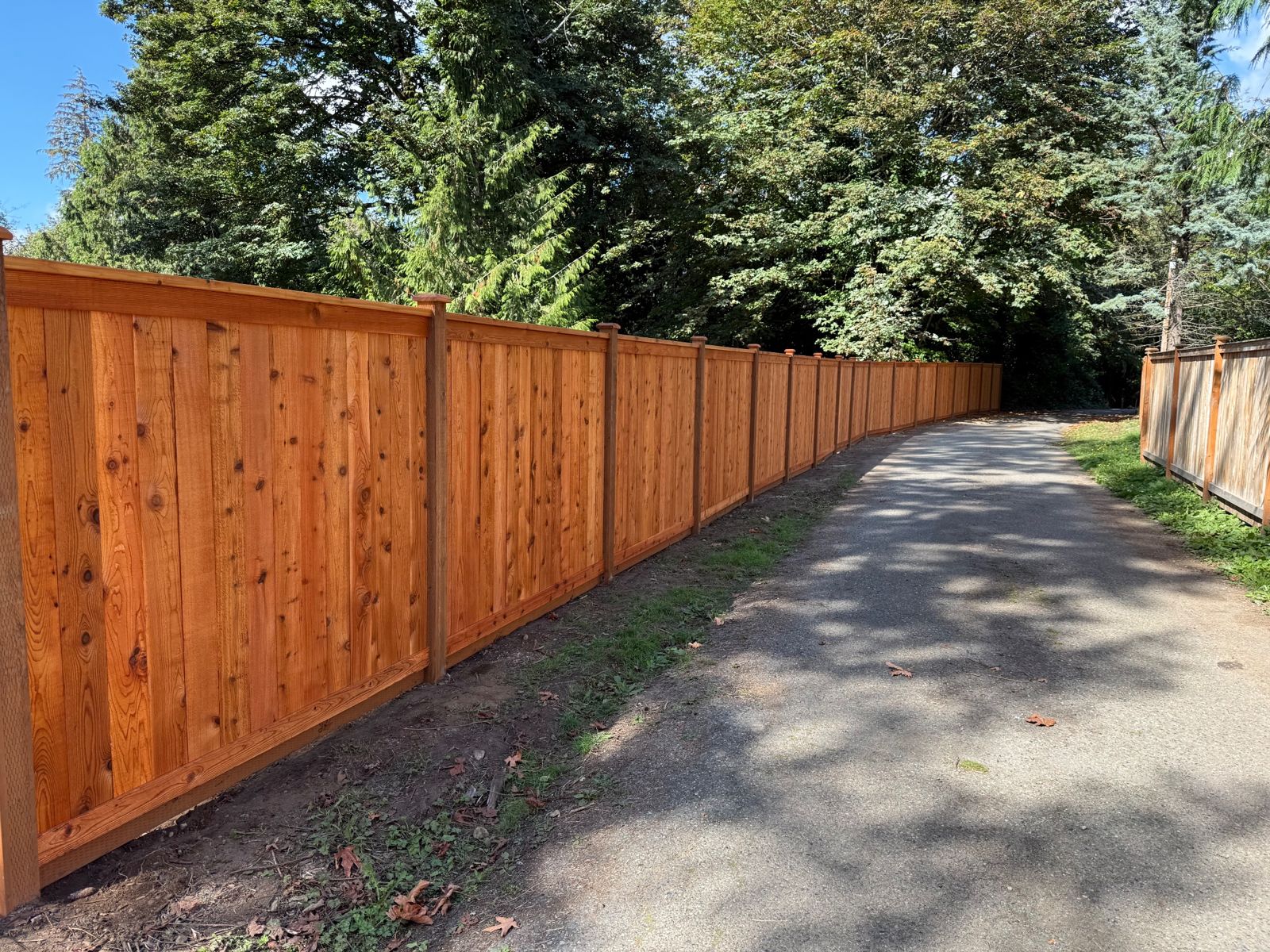
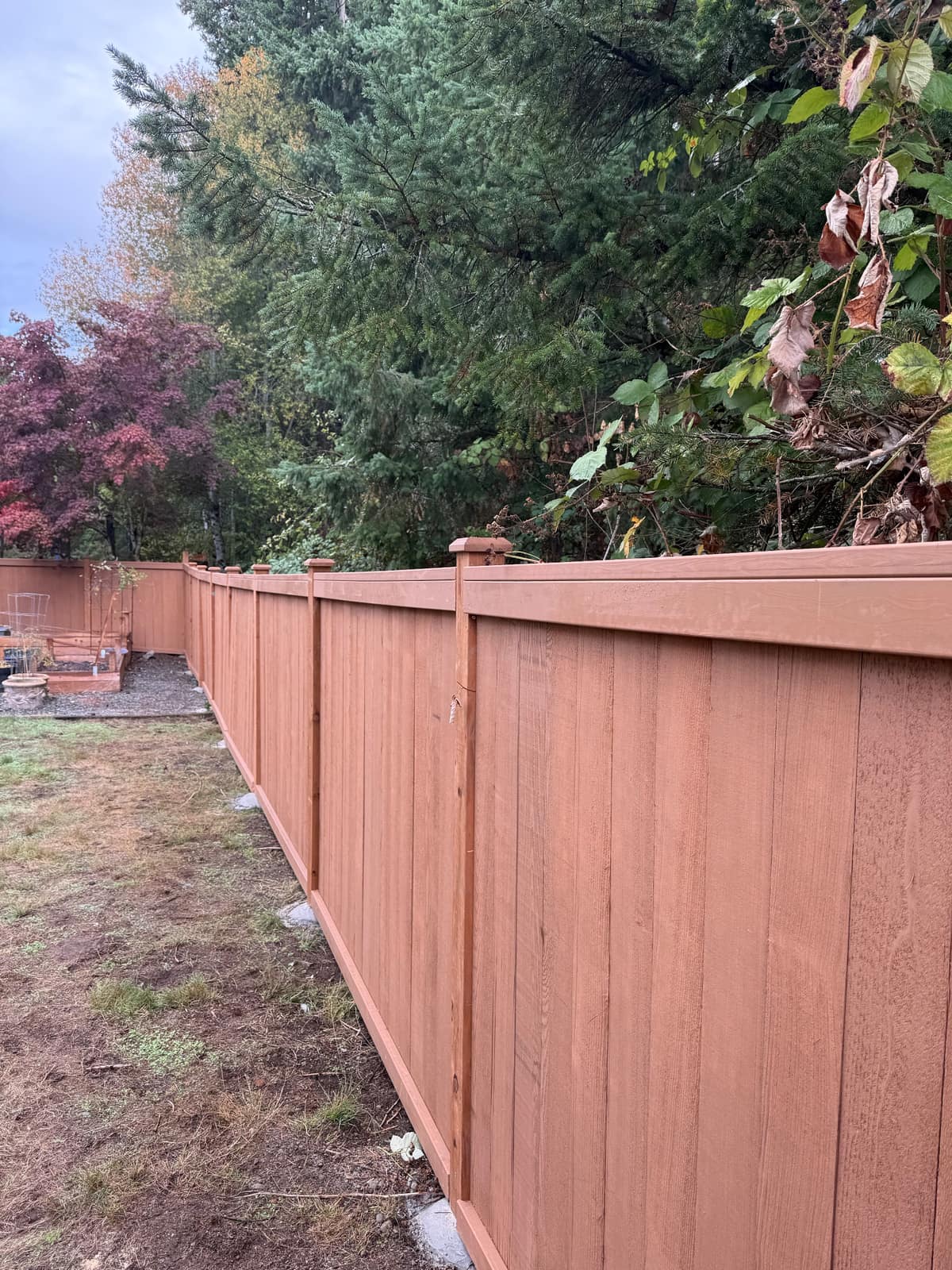
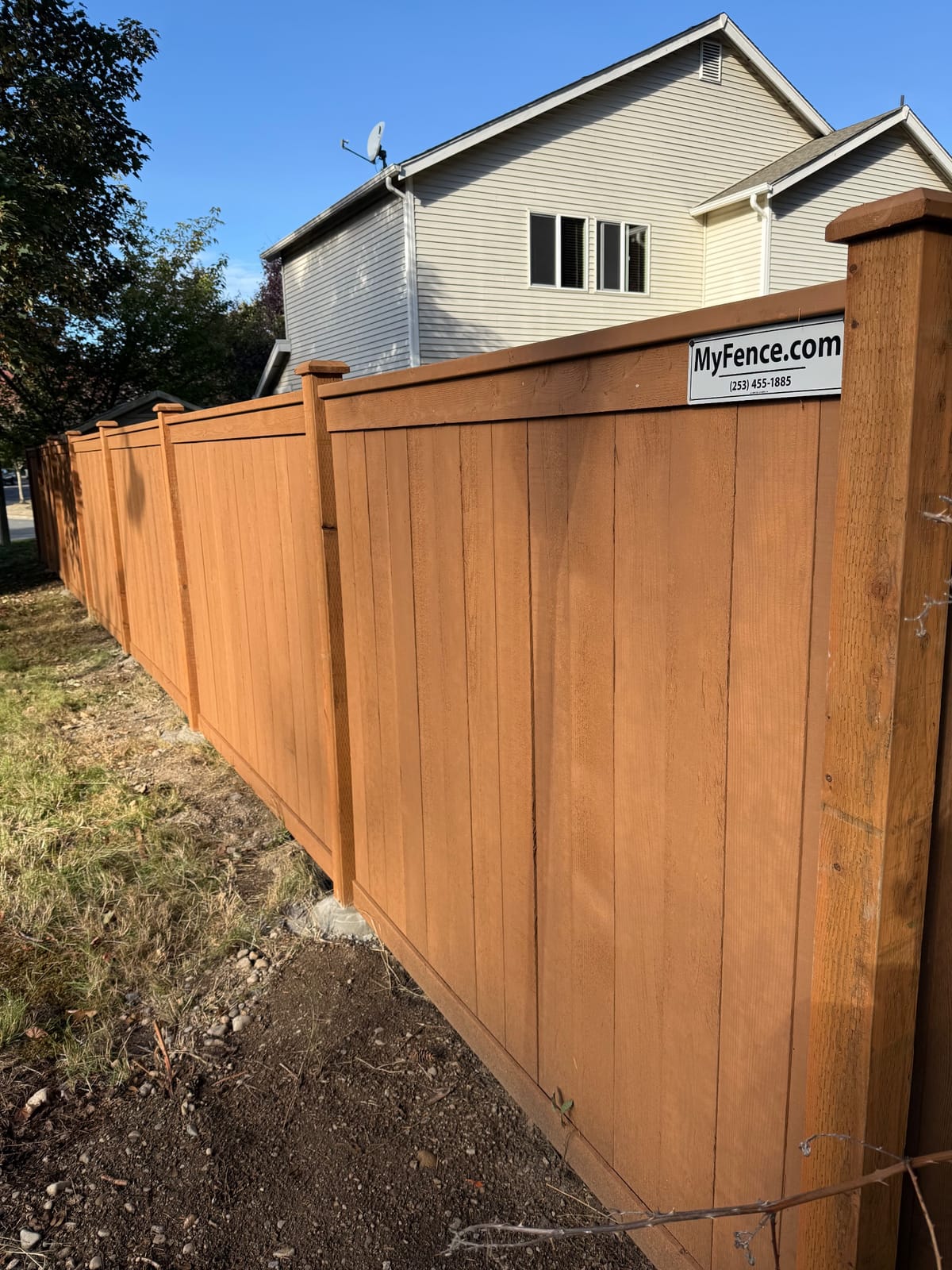
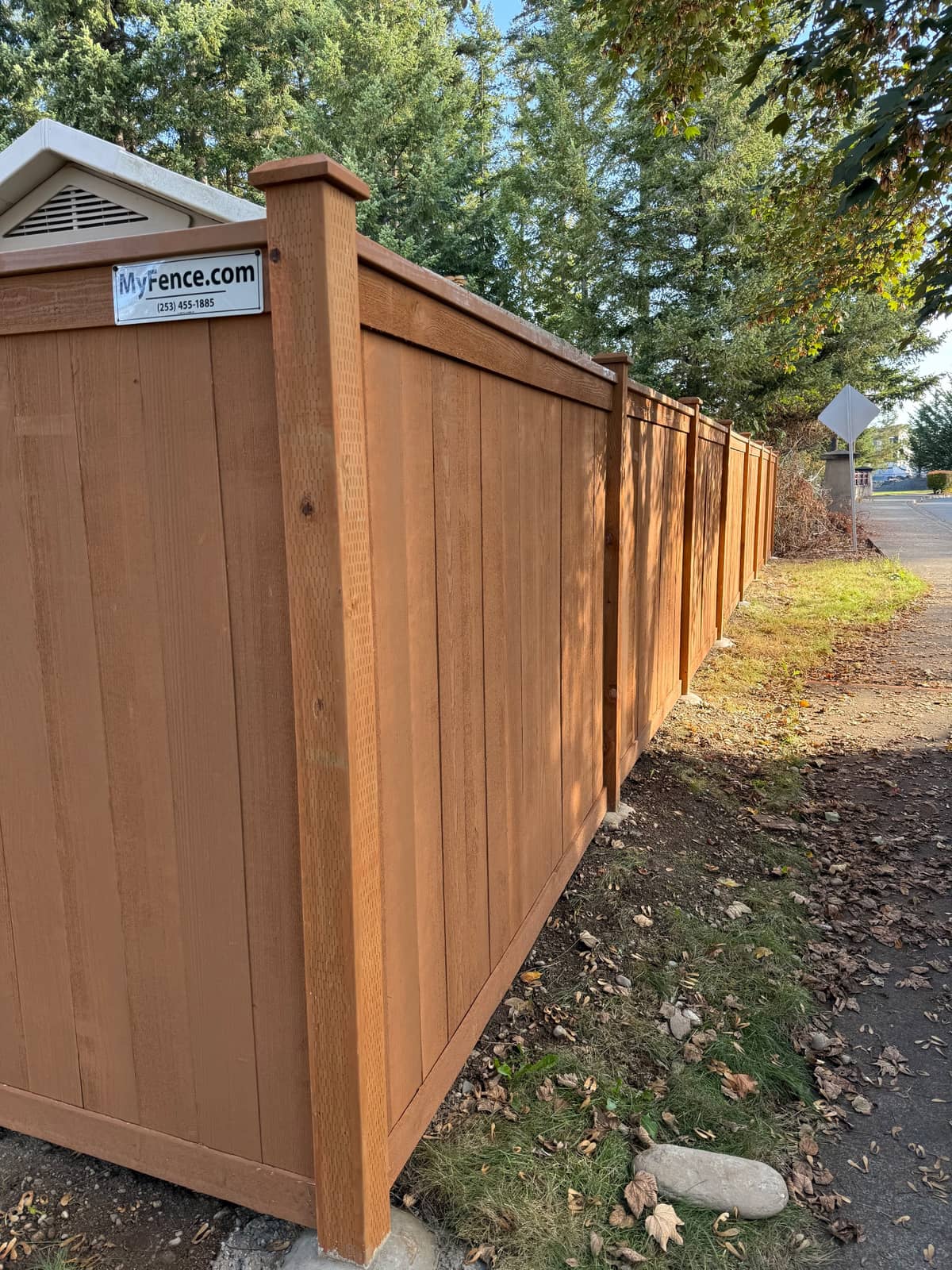
MyFence.com specializes in three fencing systems engineered for Maple Valley's forested environment: Western Red Cedar fencing, Hogwire fencing, and our custom Hybrid Aluminum/Cedar system. By focusing our expertise on these systems, we deliver installations specifically designed for the area's wet climate, sloped terrain, and wildlife challenges.
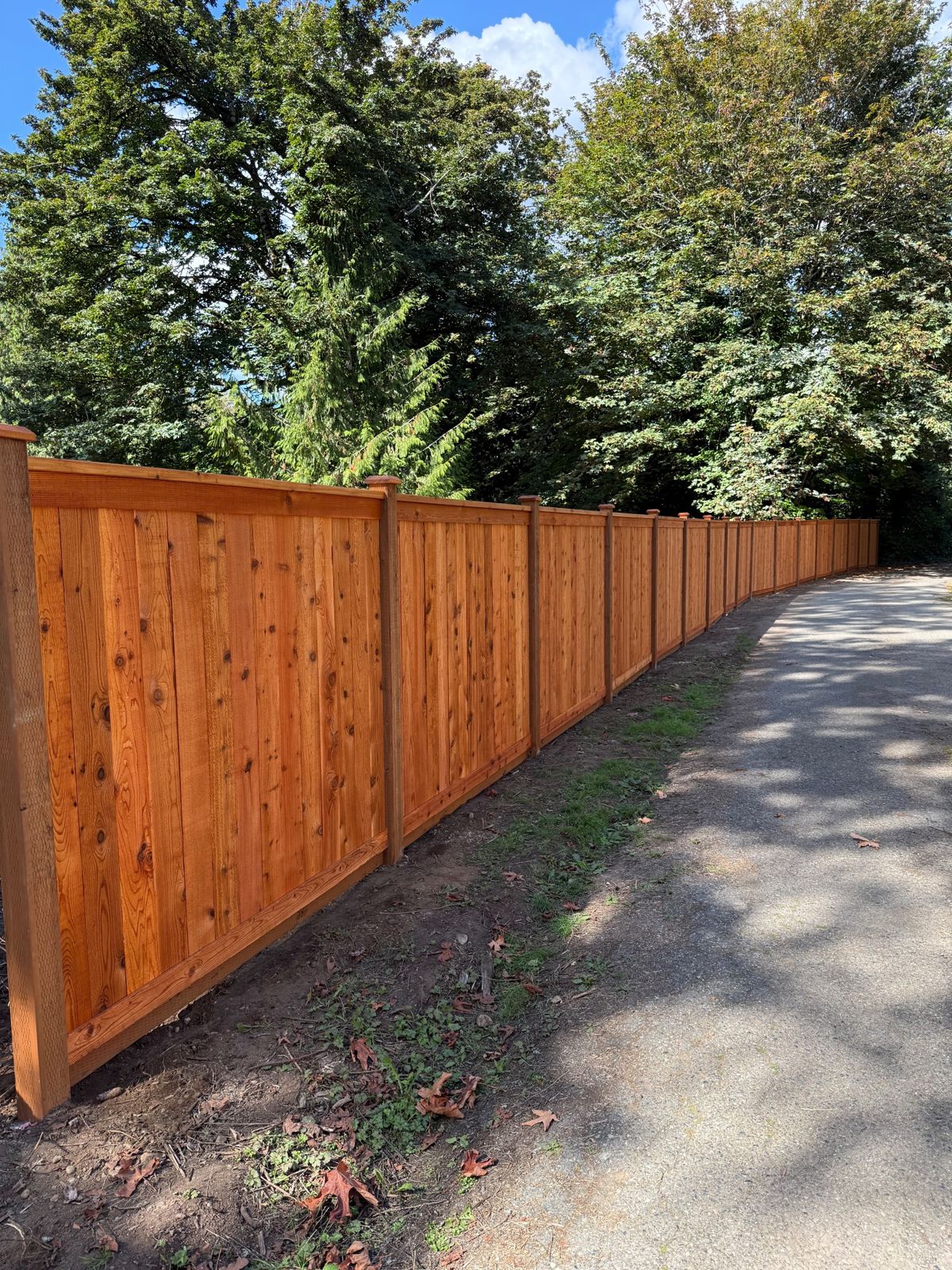
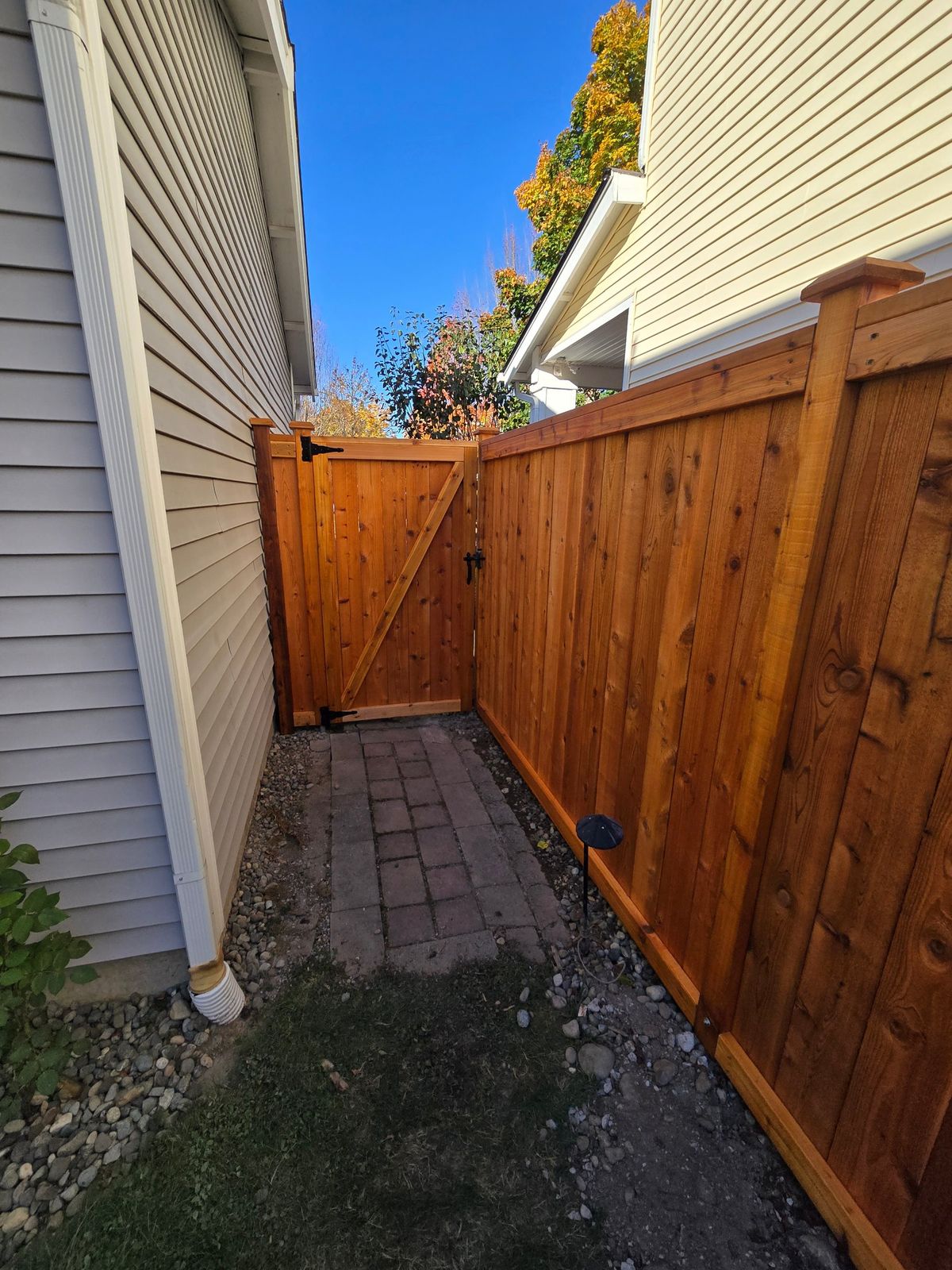
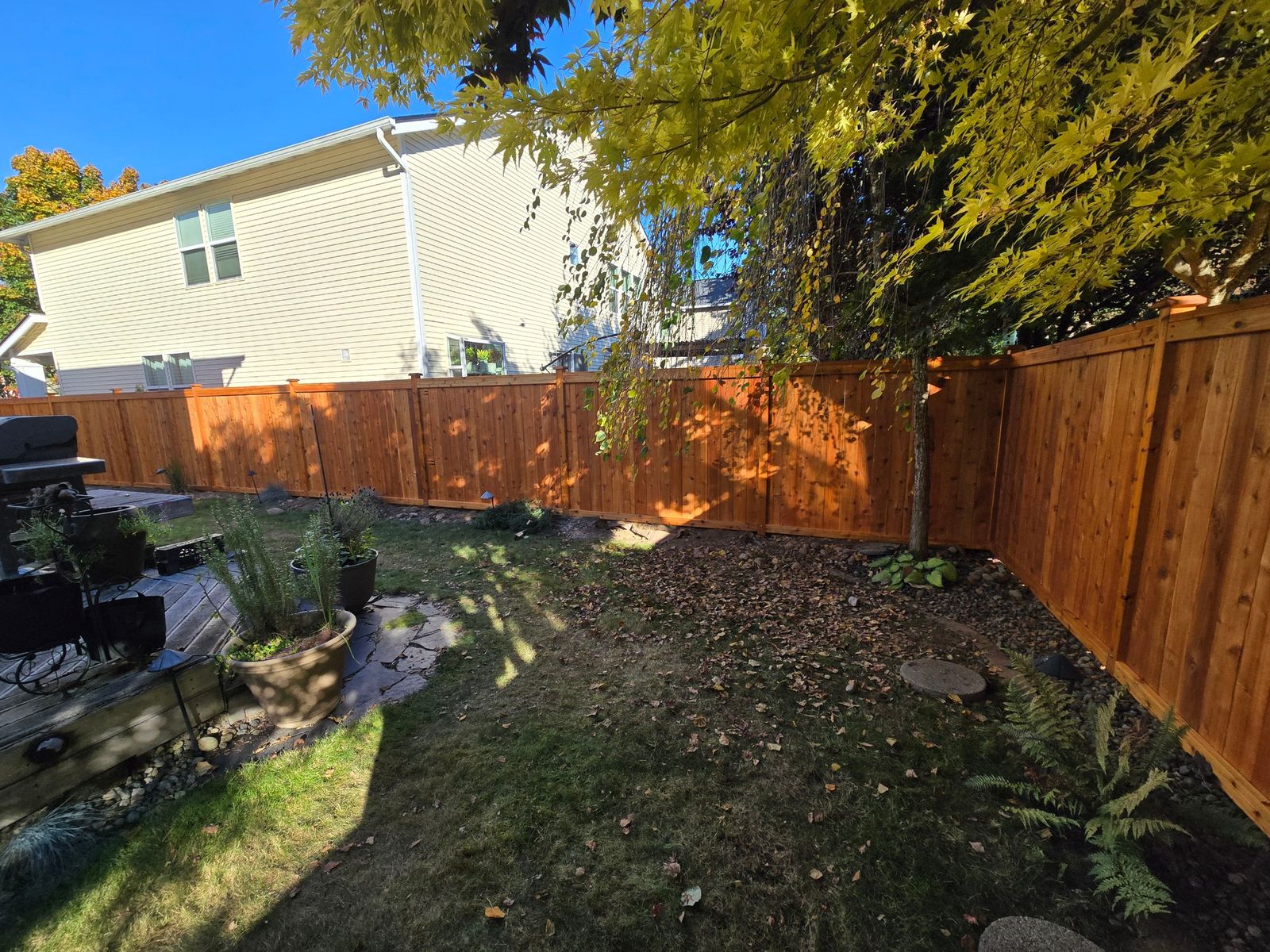
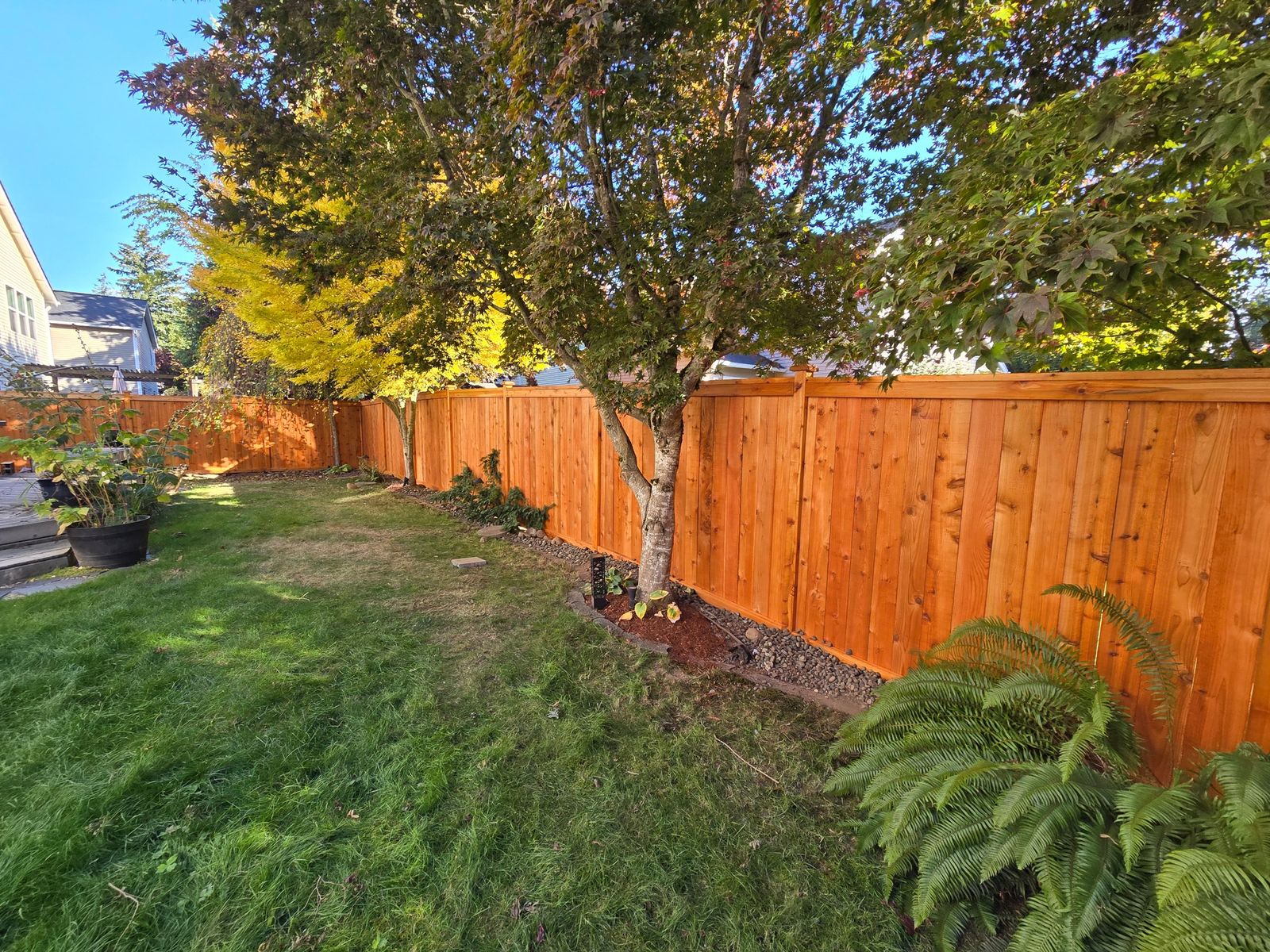
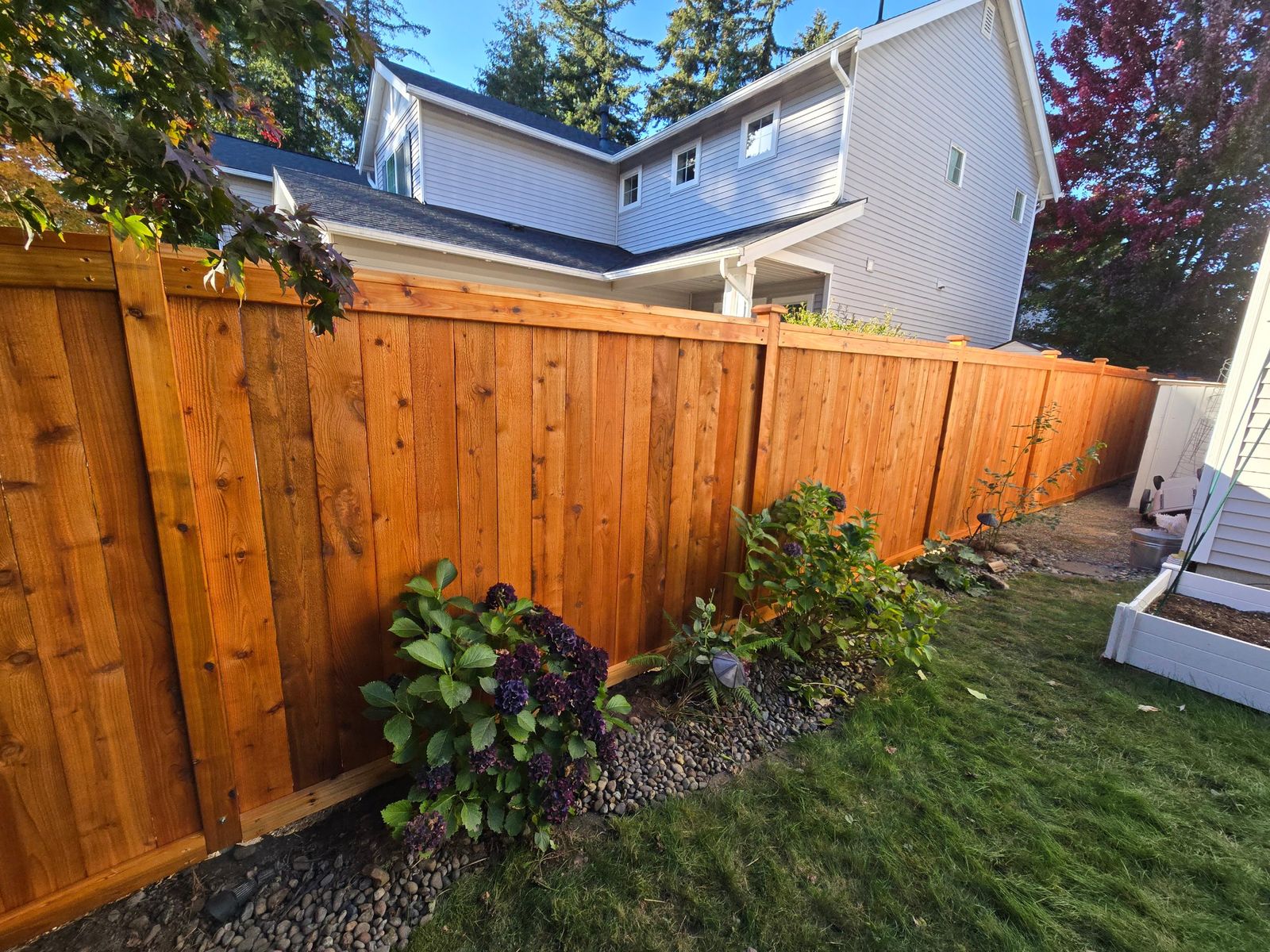
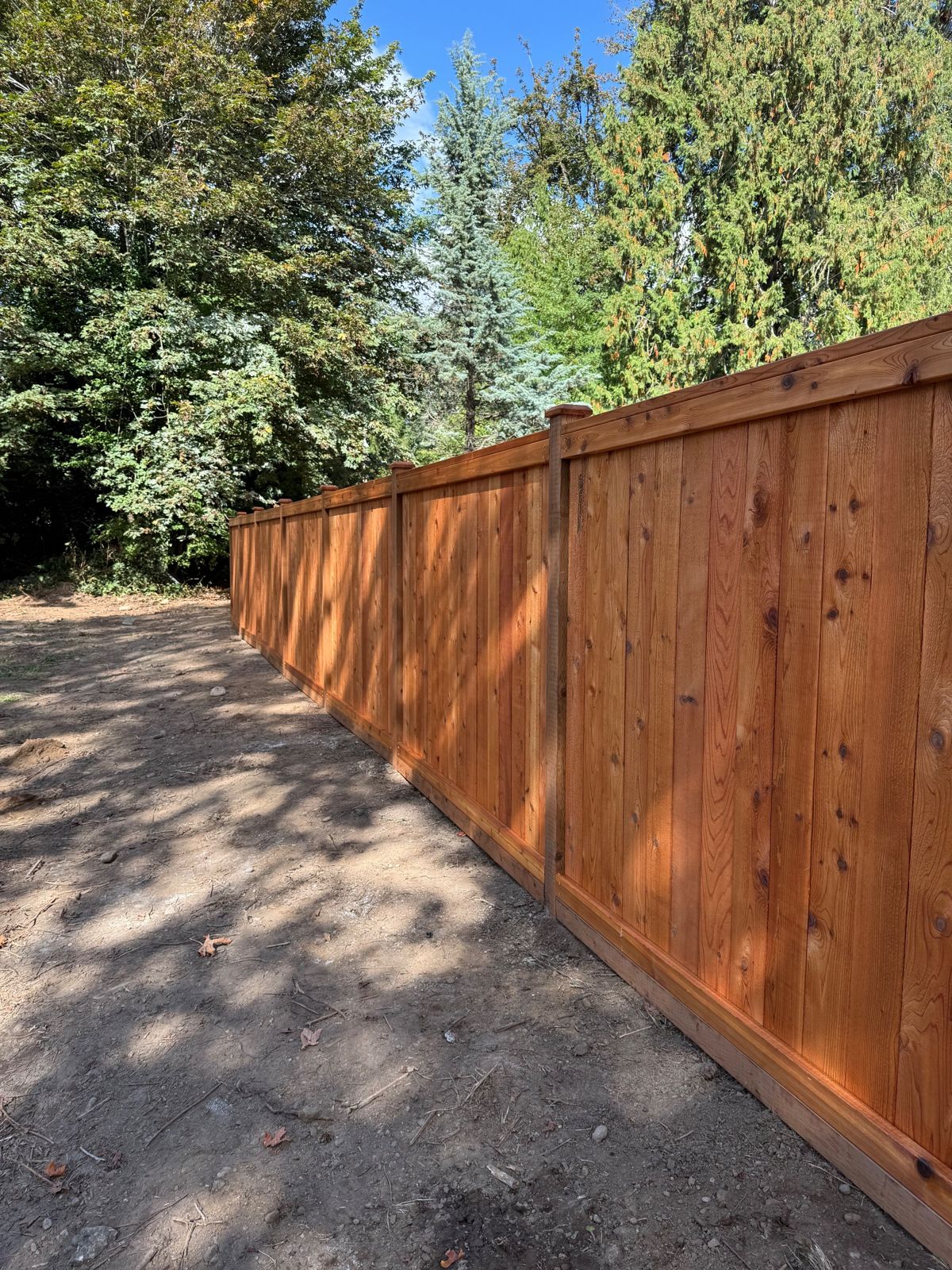
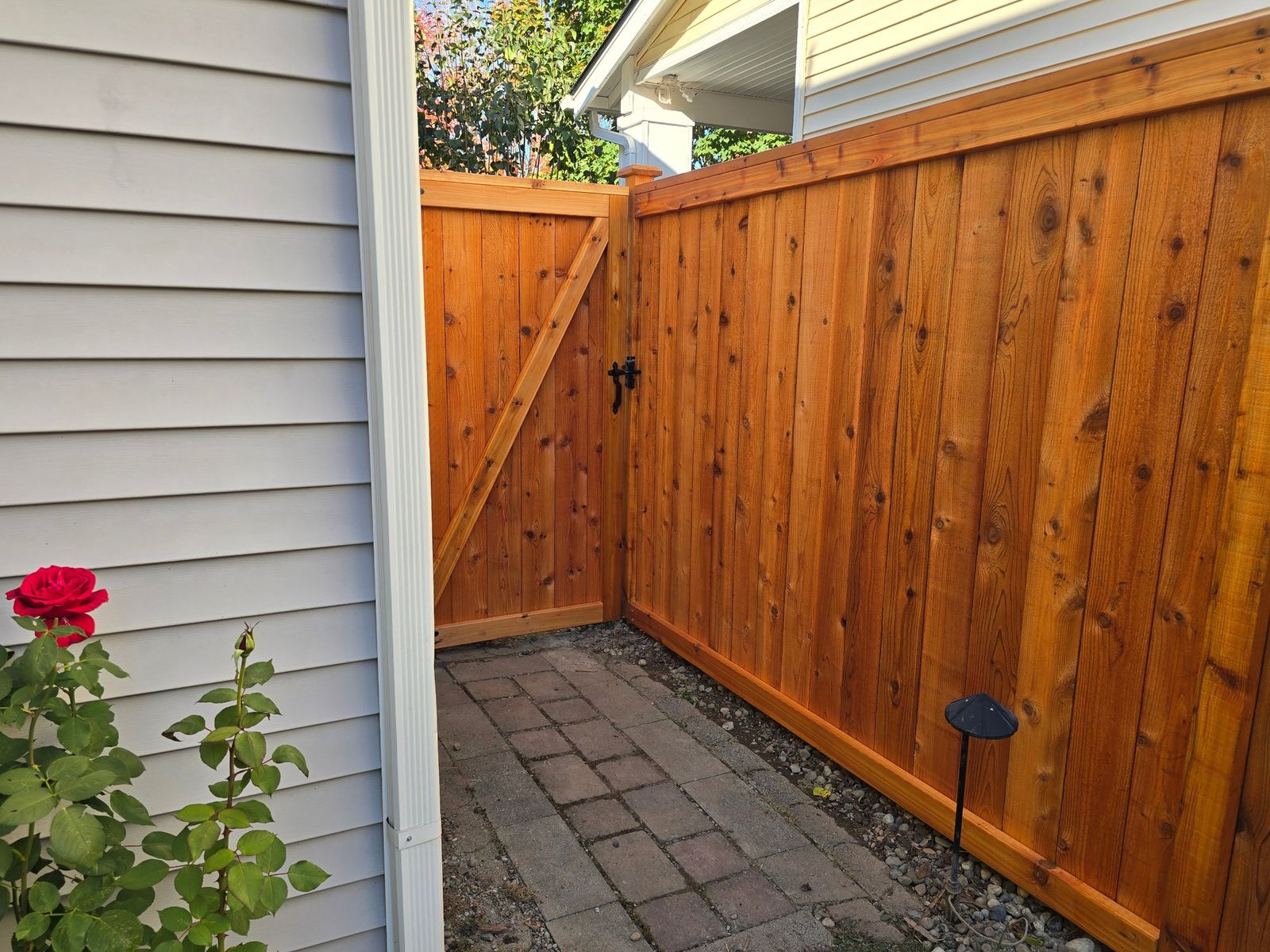
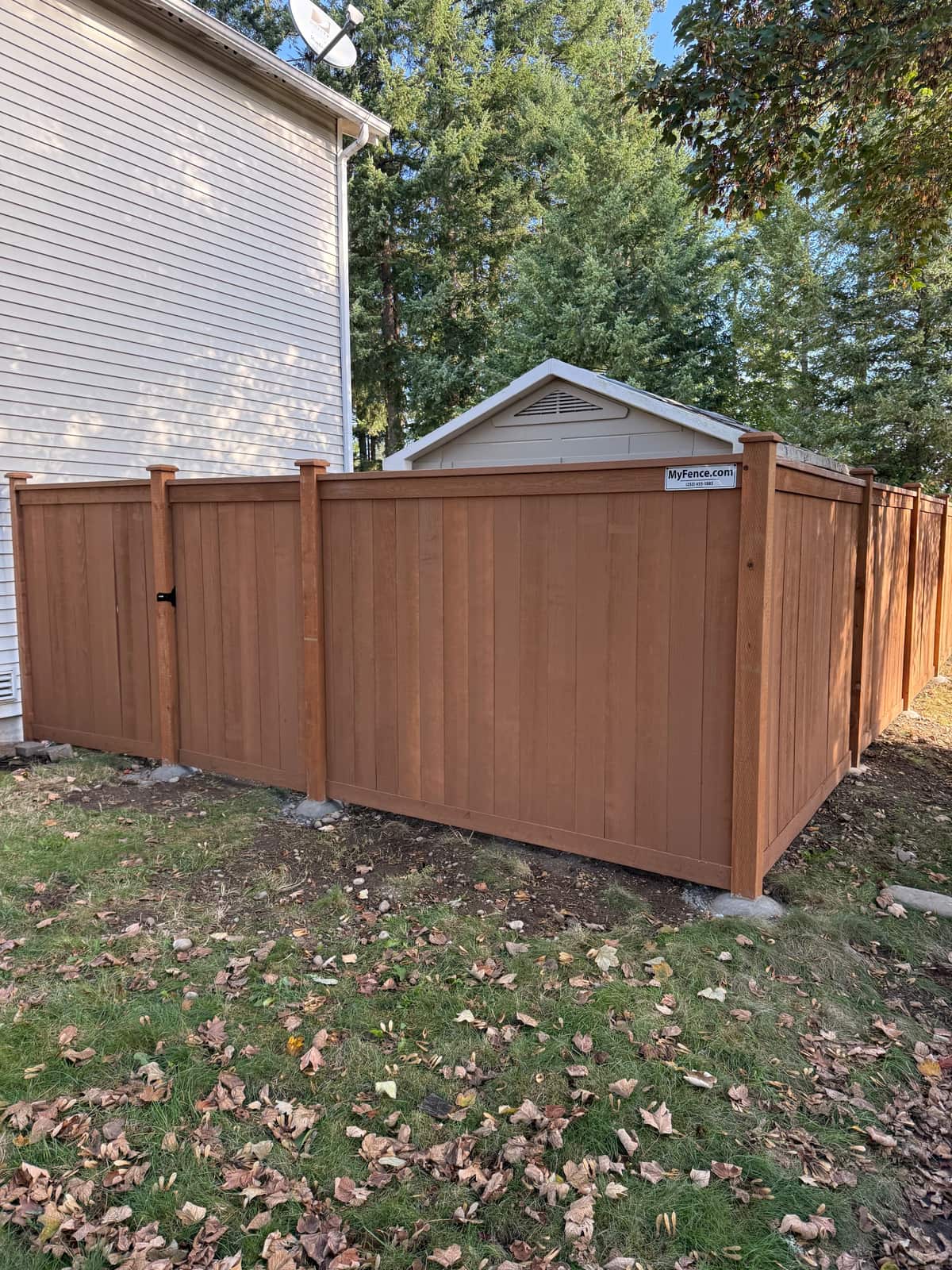
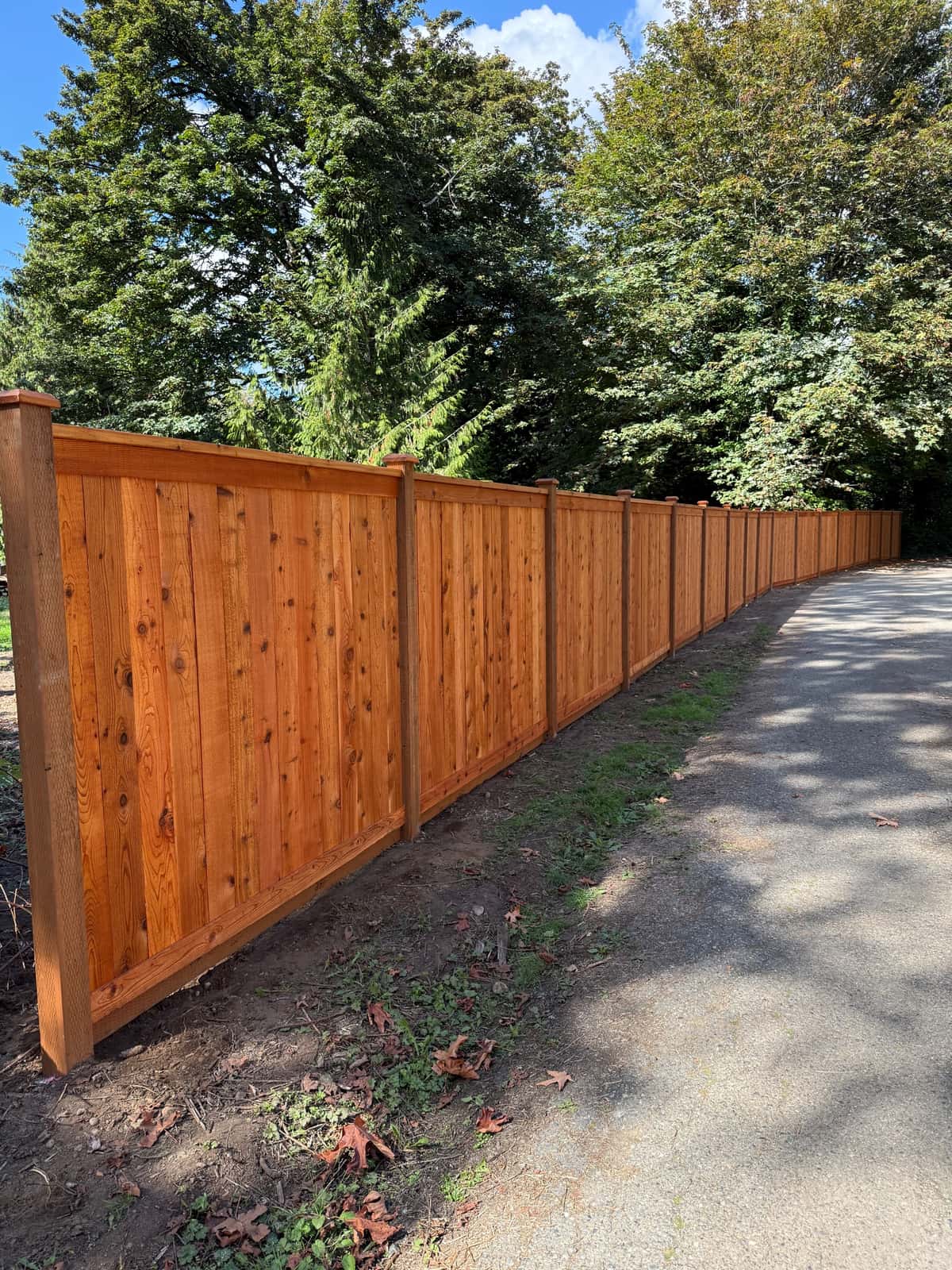
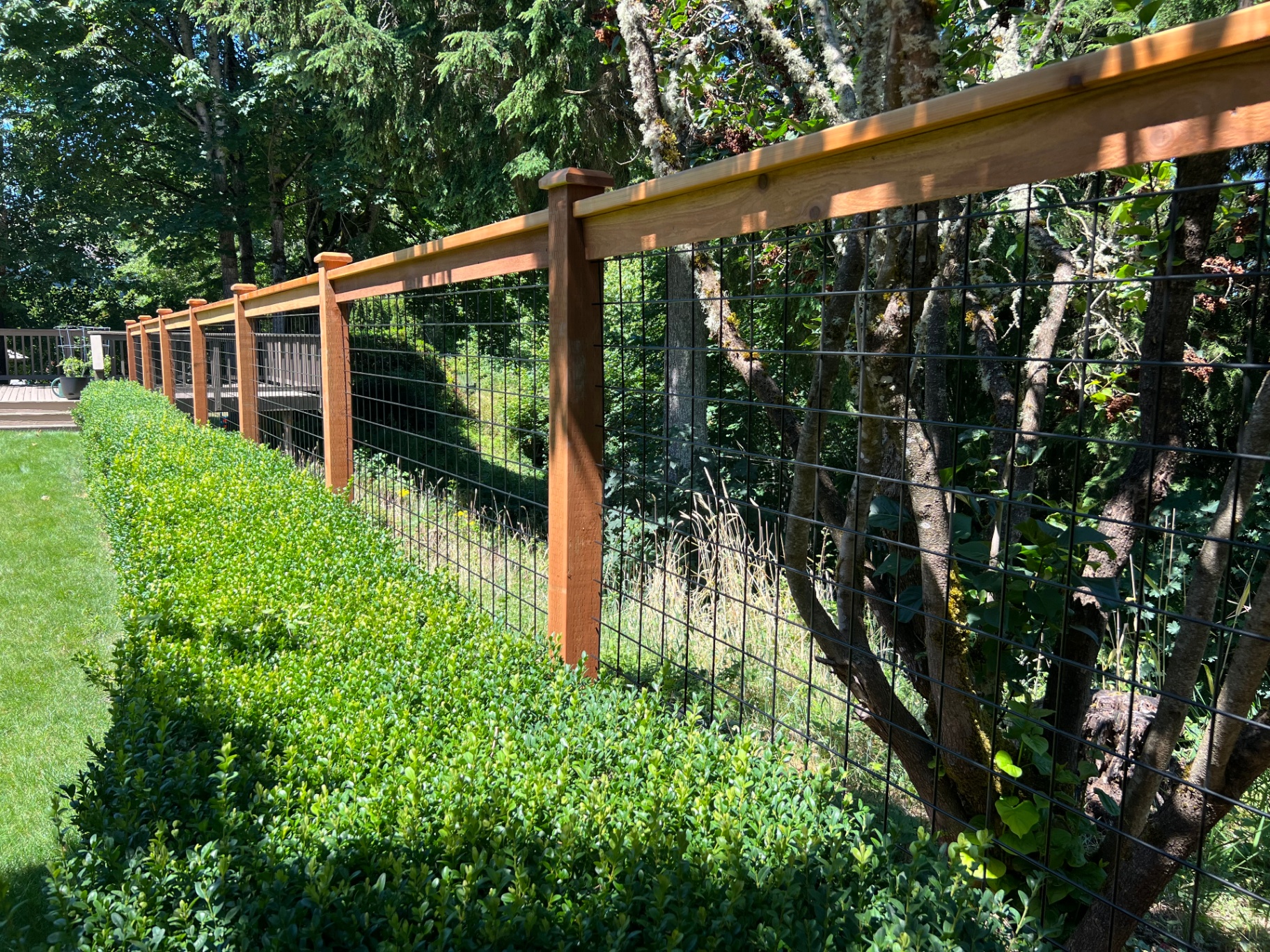
Cedar fencing offers natural resistance to rot and insects, with beautiful grain patterns complementing Maple Valley's forested aesthetic. For properties bordering wooded areas, clear-grade cedar provides enhanced durability with fewer weak points. Hogwire fencing combines rustic charm with wildlife deterrence, perfect for properties backing onto greenbelts. Our Hybrid Aluminum/Cedar system delivers low-maintenance performance for busy families, with aluminum panels that never require staining.
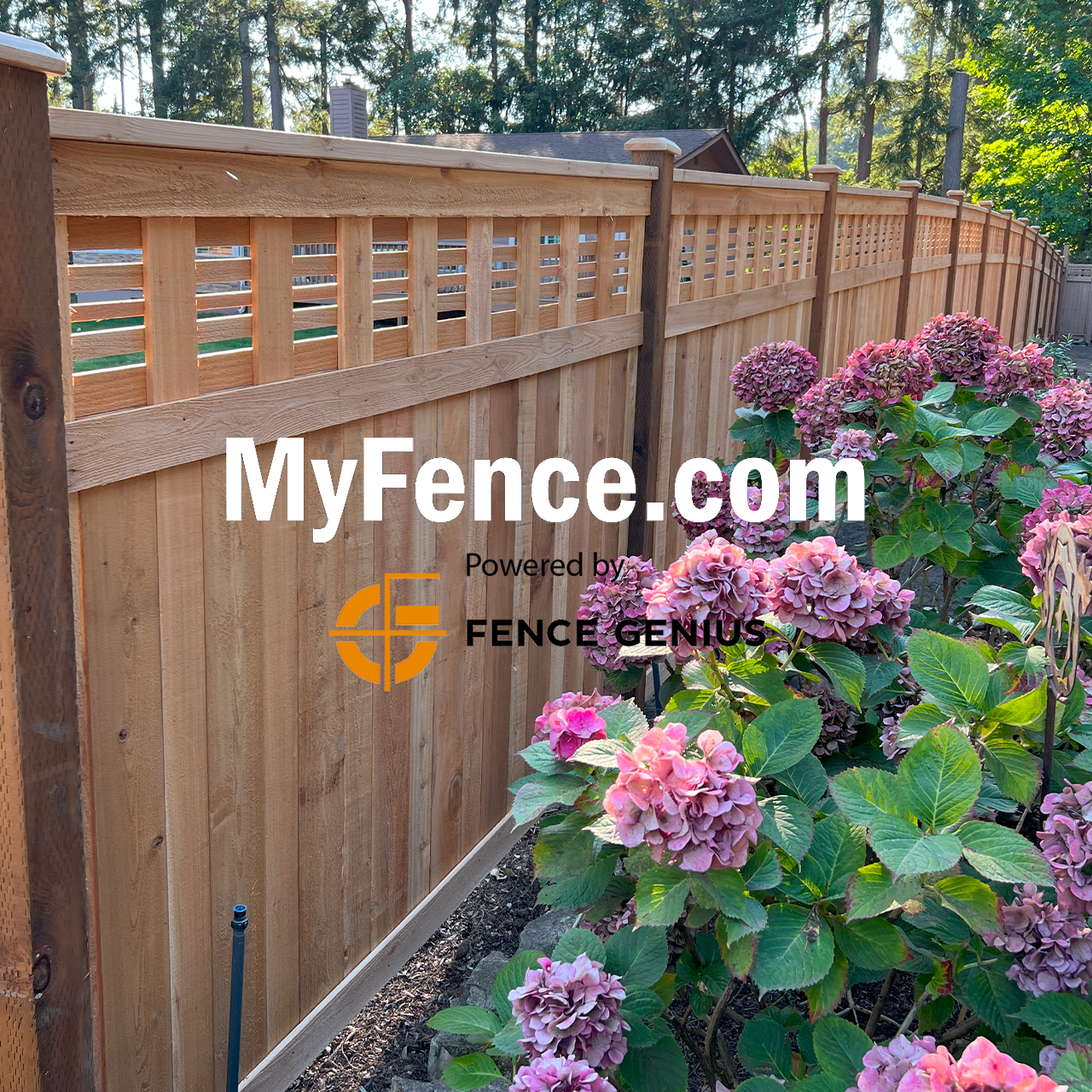
For garden protection against deer, we recommend 6-foot cedar privacy fences with 2-foot lattice toppers (totaling 8 feet) or hogwire systems. All installations use our reinforced 4.125" x 4.125" posts - nearly 5 square inches more cross-sectional area than box store posts - ensuring your fence withstands Maple Valley's weather and wildlife for decades.
Understanding Other Fence Materials
Note: We provide this information to help you make informed decisions, but MyFence.com does not install vinyl, composite, or chain link fencing systems.
Composite materials handle moisture well and won't warp on sloped properties, though at 60-80% higher cost than cedar. Vinyl fencing offers maintenance-free performance but lacks the natural warmth Maple Valley residents prefer. Chain link with privacy slats is economical but lacks aesthetic appeal. While these materials have applications, we've specialized in cedar, hogwire, and hybrid systems where we can ensure proper installation for Maple Valley's unique terrain and climate challenges.
Frequently Asked Questions
How long does a fence last in Maple Valley's climate?
A professionally installed cedar fence from MyFence.com in Maple Valley typically lasts 20-30 years with basic maintenance - often outlasting competitor installations by 5-10 years. Our superior 4.125" x 4.125" posts provide nearly 5 square inches more cross-sectional strength than box store 4x4s (which are actually only 3.5" x 3.5"), resisting warping and rot that plague cheaper installations. We install posts with concrete poured at surface level to prevent soil contact and rot, and our experienced crews understand Maple Valley's wet climate challenges. Regular cleaning and staining every 3-5 years can extend your fence lifespan beyond 30 years, protecting your investment for decades to come.
Can you install fences on sloped properties?
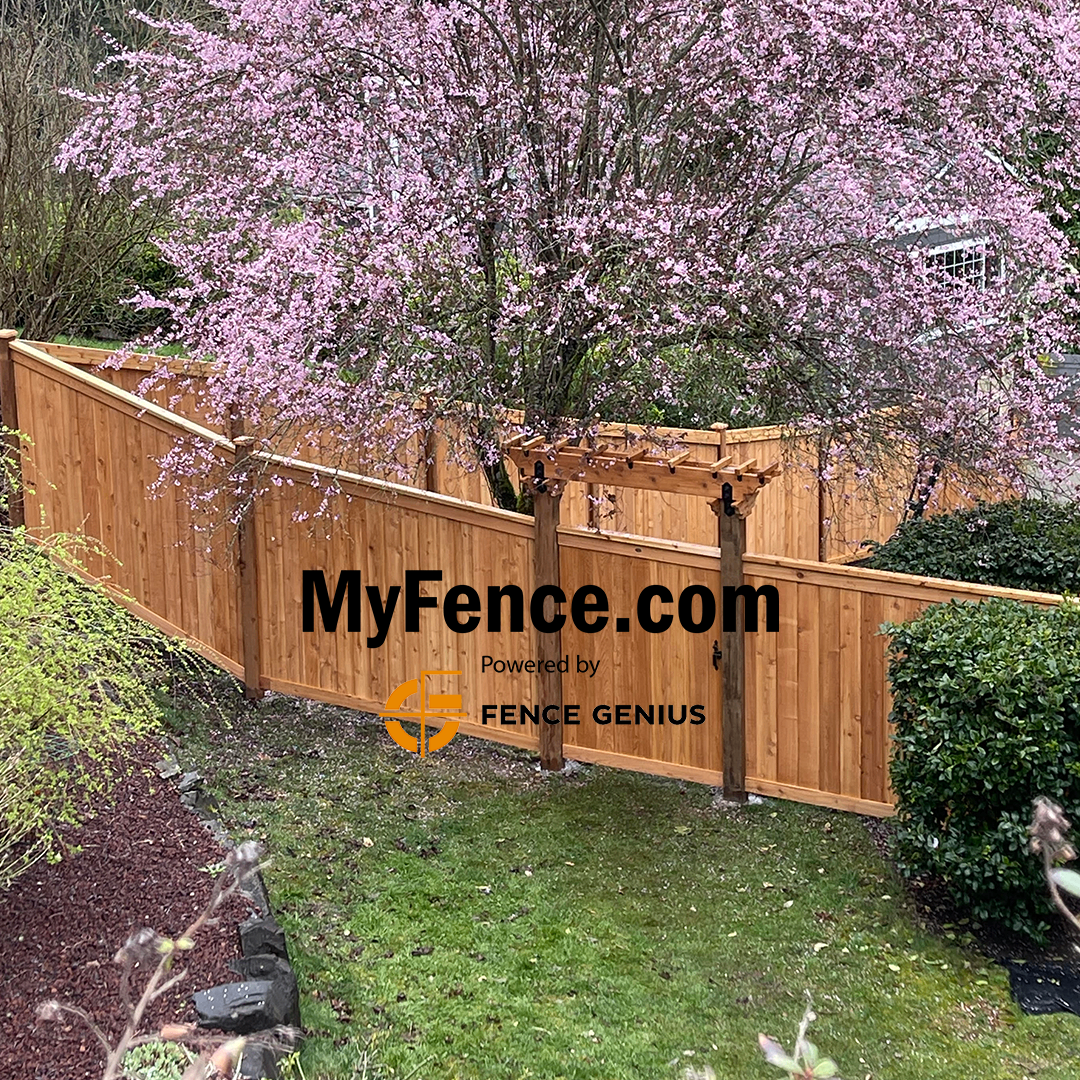
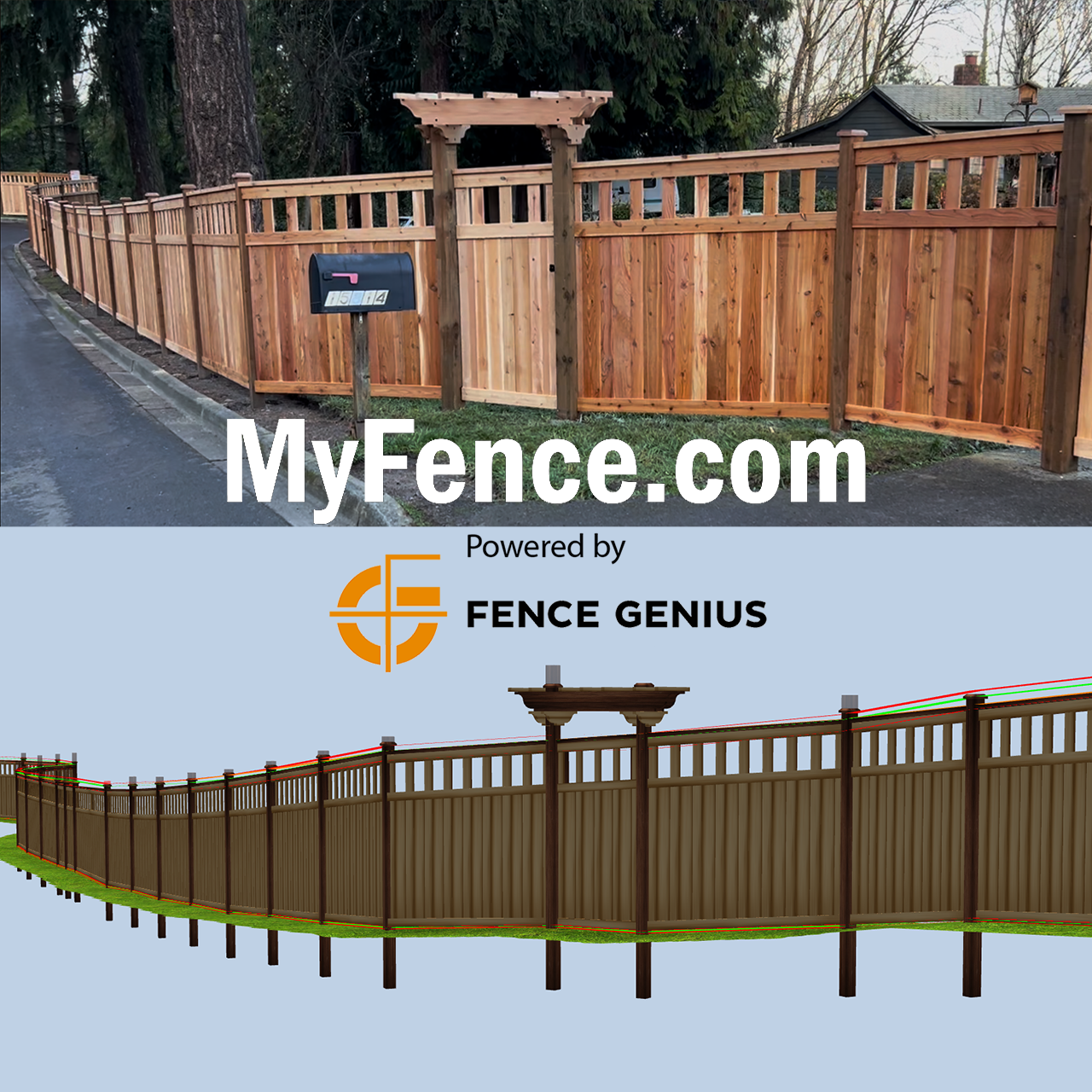
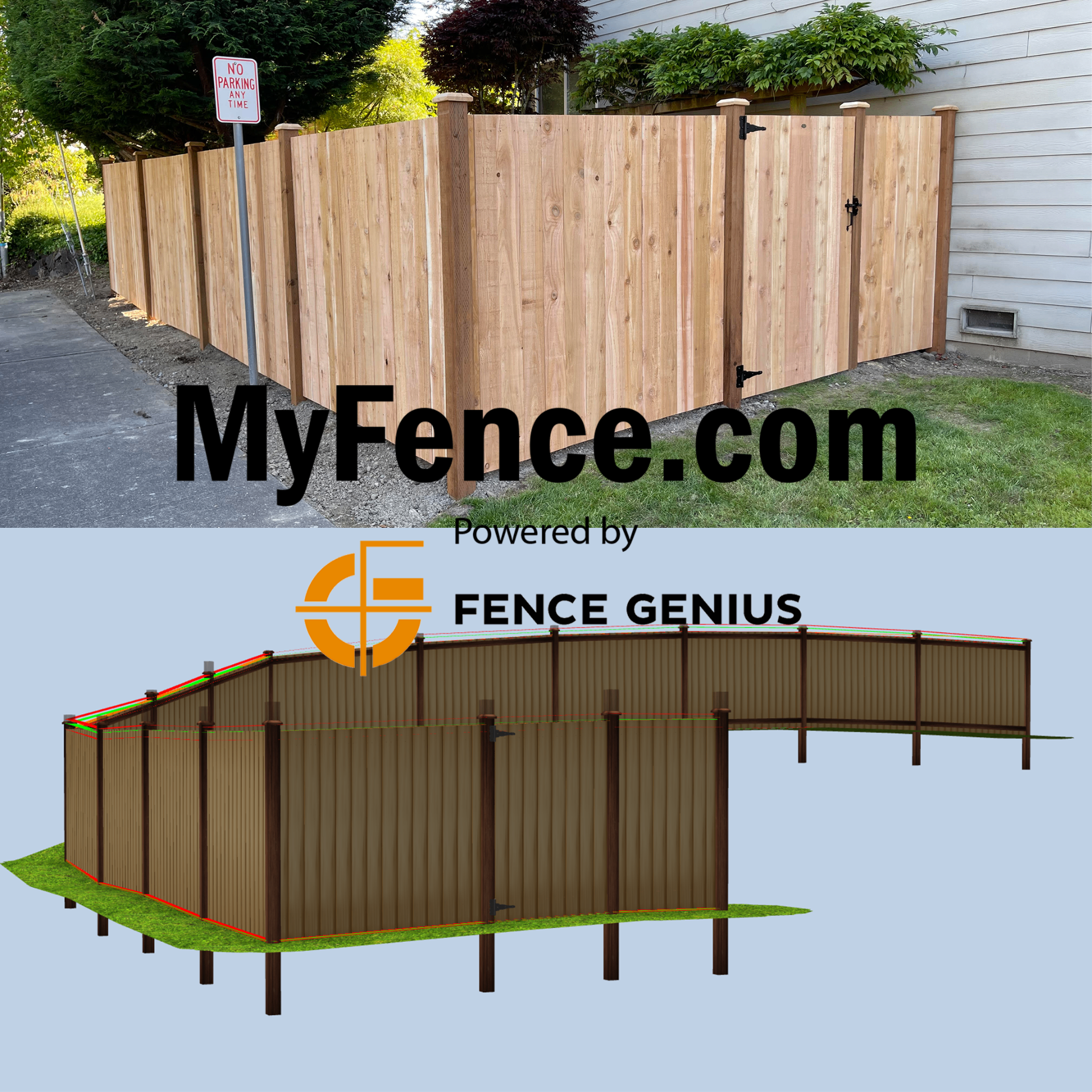
Absolutely. Sloped terrain is extremely common in Maple Valley, and we specialize in installations that maintain a level appearance while following your property's natural contours. We use stepped or racked designs depending on slope severity, ensuring proper drainage and structural integrity. Our Fence Genius technology helps us precisely measure elevation changes for accurate panel manufacturing.
How much does fence installation cost in Maple Valley?
Pricing for cedar fence installation in Maple Valley typically ranges from $40-60 per linear foot depending on style, height, and site conditions. Sloped terrain may add 10-20% due to additional labor and materials. Get an instant estimate with our Virtual Quote Tool, then we'll confirm exact pricing with an on-site measurement using Fence Genius - no hidden fees or surprise charges.
What's the best time of year to install a fence in Maple Valley?
Summer and early fall (June-October) provide the most favorable conditions with less rainfall and warmer temperatures for optimal concrete curing. However, we work year-round and can accommodate winter installations with proper techniques. Spring can be challenging due to heavy rainfall and saturated soil, but our experience with local conditions ensures quality installation regardless of season.
Do I need to share fence costs with my neighbor?
Under Washington State law (RCW 16.60.020), neighbors may be required to share costs for boundary fences. We recommend early communication with neighbors and can provide professional documentation to facilitate discussions. Read our detailed guide on Washington fence cost sharing laws and best practices.
Note: Regulations and HOA requirements are subject to change. Always verify current requirements with King County Permitting and your homeowners association before beginning your fence project. MyFence.com's familiarity with local regulations helps streamline the process.