
Post on Pipe: Never Replace a Rotted Post Again
Galvanized steel pipe foundation eliminates traditional post rot from soil contact
Cedar post on pipe walkthrough
Watch a finished cedar fence sitting on galvanized pipe foundations — the same rot-resistant post detail described here.
What is Post on Pipe?
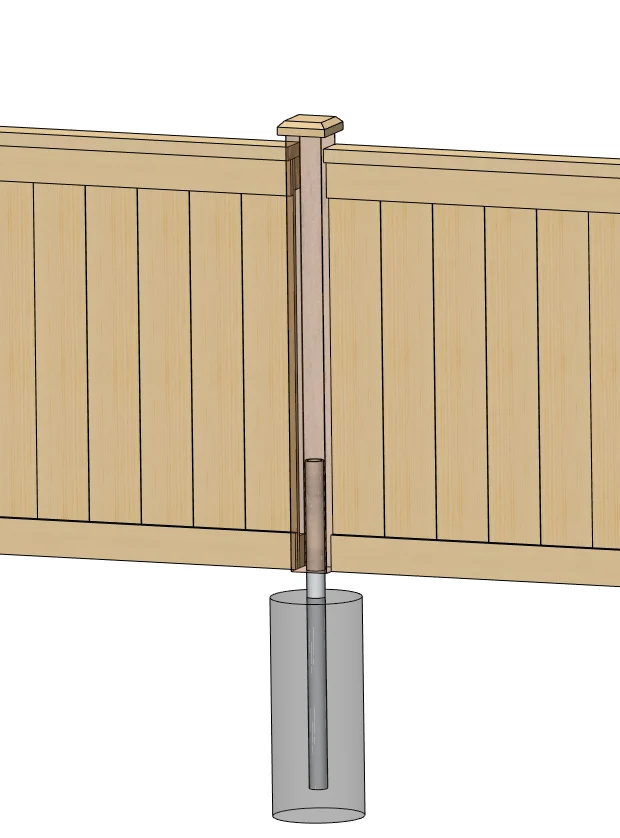
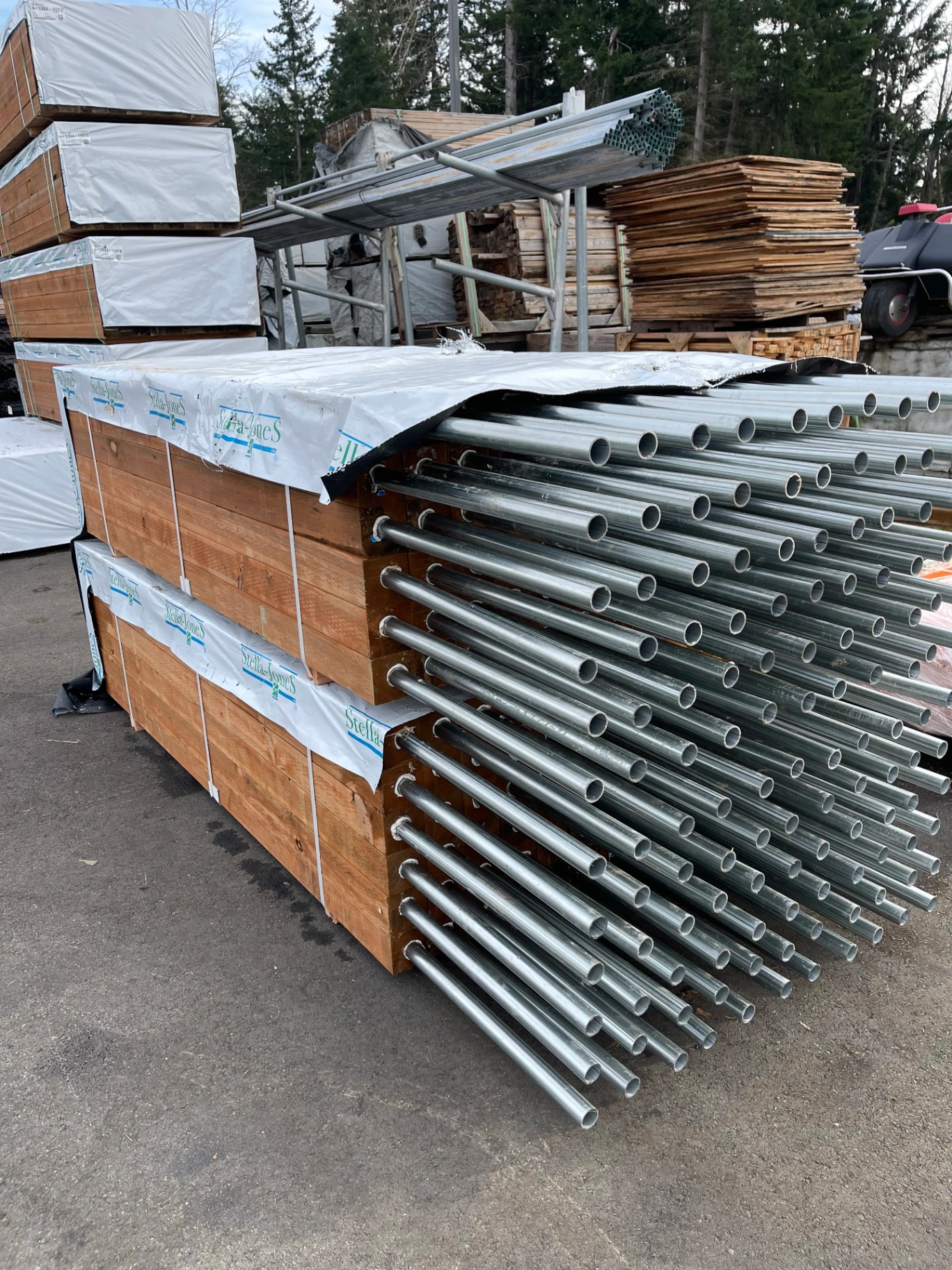
Post on Pipe is an innovative fence post system where a galvanized steel pipe is inserted into the ground within a concrete footing, and a wood fence post is mounted on top of the steel pipe. The steel pipe extends 10"-18" into the wood post, creating a rock-solid connection.
The primary benefit? You will never have your post rot out from soil contact. The galvanized steel pipe handles all ground contact, while the wood post stays elevated and protected from moisture and soil that cause traditional post rot.
This system is engineered for the wet Pacific Northwest climate where post rot is the number one cause of fence failure.
The Post on Pipe Advantage
Complete Rot Elimination
Galvanized steel has zero contact with wood at ground level. Posts won’t rot from soil moisture.
Easy Long-Term Replacement
If a wood post ever needs replacement, slide a new post over the existing steel pipe foundation.
Perfect for Shorter Fences
Ideal for 3', 4', and 5' fences and all hogwire fences with minimal wind load.
Low-Wind 6' Privacy Option
Works for 6' privacy fences in protected, low-wind yards.
Important: Wind Shear Considerations for 6' Privacy Fences
The one limitation of Post on Pipe: In high-wind environments with 6' solid cedar privacy fences, the system can be prone to premature failure — not from the steel pipe breaking, but from the wood post itself failing.
Here's why: The steel pipe extends 10"-18" into the wood post. When strong winds hit a 6' tall solid fence, all the force transfer occurs at the lower portion of the post where most of the wood has been carved out to accommodate the steel pipe. This leaves less wood structure to resist the torque applied by the tall fence panel.
Bottom line: If you live in an exposed, windy area and plan to install a 6' solid cedar privacy fence, we recommend traditional full-depth wood posts instead. However, if your yard is protected from wind by trees, neighboring structures, or terrain, Post on Pipe can work perfectly.
This concern does NOT apply to shorter fences, hogwire fences, or 6' fences in low-wind locations.
Ideal Applications for Post on Pipe
Perfect For:
Not Recommended For:
Post on Pipe Pricing
Post on Pipe System
~$55/post
Pipe, 4.125" × 4.125" × 7' wood post, and concrete footing
Traditional Pressure-Treated Post
~$25/post
Standard 4.125" × 4.125" × 9' post with concrete footing
While Post on Pipe costs approximately $30 more per post upfront, the investment pays off through:
- Complete elimination of soil-contact post rot
- Significantly easier post replacement if ever needed
- Longer overall fence lifespan in wet climates
- Reduced long-term maintenance and repair costs
Why Post on Pipe Makes Sense in the Pacific Northwest
The Pacific Northwest's wet climate is notoriously hard on traditional wood fence posts. Even pressure-treated lumber, designed to resist rot, will eventually fail when constantly exposed to our wet soil conditions.
Post rot typically occurs 6"-12" below ground level where moisture is constant and air circulation is minimal. By the time you notice a leaning or loose post, the damage is already severe — requiring complete post replacement including digging out the old concrete footing.
Post on Pipe eliminates this failure mode entirely. The steel pipe handles all below-grade duty, and galvanized steel in concrete simply doesn't rot. Your fence's structural integrity is permanently protected from our wet soil.
For homeowners planning to stay in their homes long-term, Post on Pipe represents the most durable foundation option for fence styles that can accommodate it. It's an investment in never dealing with rotted posts.
Explore Related Post Options
Ready to Build a Rot-Free Fence?
Let's discuss whether Post on Pipe is the right choice for your property, fence style, and local wind conditions.
Questions? Call us at (253) 455-1885