
Seattle Fence Setbacks: How Close Can Your Fence Be to the Street?
Seattle fence setbacks guide: Build as close as 0ft to the street (your side only). Front max 4ft height; side/rear up to 6ft. PNW tips on permits & rules.
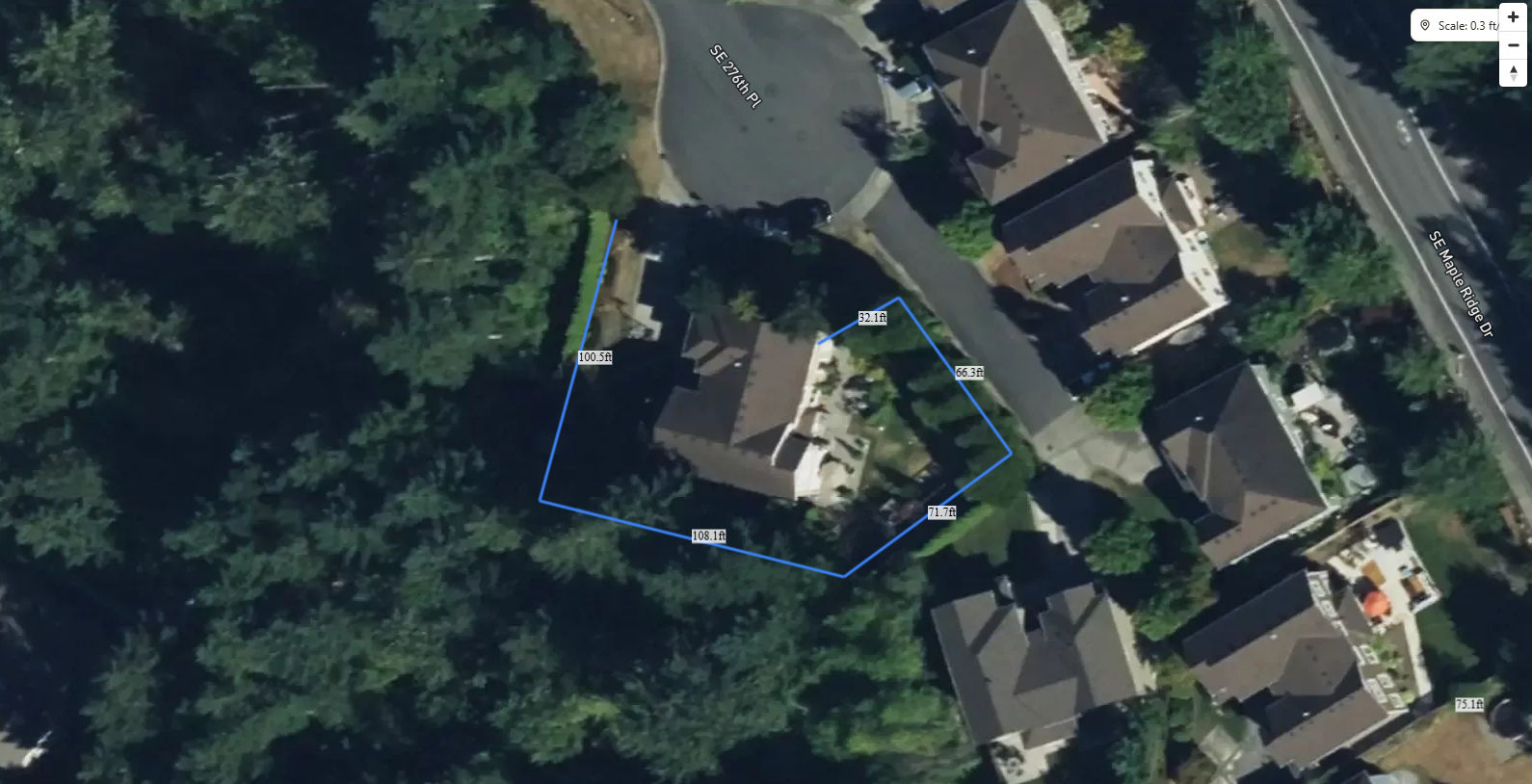
Navigating fence regulations PNW can feel like a maze, especially when it comes to understanding Seattle fence setbacks. As a homeowner or contractor in the Emerald City, knowing exactly how close a fence can be to the street isn't just a suggestion—it's a critical component of legal and neighborly fencing installation.
This comprehensive guide will demystify the rules, helping you plan your next property line fence Seattle project with confidence. We'll cover everything from front yard requirements to complex easement considerations, ensuring your fence stands tall and proud, exactly where it should.
Understanding Seattle Fence Setbacks
A fence setback Seattle refers to the minimum distance your fence must be from a property line, street, or other boundary. These rules are put in place by the city to ensure public safety, maintain neighborhood aesthetics, and prevent obstructions to views or access.
Ignoring these setbacks can lead to costly fines, mandatory fence removal, and disputes with neighbors or the city. It's always best to do your homework before breaking ground.
Why Do Setbacks Exist?
Setbacks serve several important purposes beyond just aesthetics. They help maintain clear sightlines for drivers, especially at intersections, and ensure adequate space for public utilities and infrastructure.
They also contribute to the overall character and openness of a neighborhood. Understanding the 'why' behind these rules can make them easier to follow.
Important
Always consult the official Seattle Department of Construction & Inspections (DCI) website or contact them directly for the most current and precise regulations. Local codes can change.
General Seattle Fence Code for Residential Properties
The Seattle fence code outlines specific rules for different parts of your property. While general guidelines exist, the exact setback can vary based on your specific zone, lot type, and street classification.
Here are the primary areas to consider for typical residential lots:
Front Yard Setbacks
The front yard is generally the most restrictive area for fence placement. This is where the city prioritizes open space and clear sightlines.
- Height Limit: Fences in the front yard are typically limited to 3.5 to 4 feet in height. This includes any gates or decorative elements.
- Setback Distance: The fence must generally be set back 20 feet from the front property line (which is often not the curb, but rather an invisible line closer to your house).
- Visibility: Fences must not obstruct sightlines for vehicles or pedestrians.
Side and Rear Yard Setbacks
Side and rear yards typically offer more flexibility regarding fence height and placement. These areas are generally less critical for public access and visibility.
- Height Limit: In neighborhood residential and multifamily zones, Seattle's zoning code generally limits side and rear yard fences to 6 feet, plus up to 2 feet of architectural features such as arbors or trellises (or 8 feet on a sloping site where the average between posts is 6 feet). SDCI does not require a permit for fences 8 feet or lower without masonry or concrete elements over 6 feet, unless the site is flood-prone.
- Setback Distance: If your side or rear yard abuts another property, your fence can usually be built directly on the property line (with neighbor agreement) or slightly inside your property line.
- Street-Facing Side/Rear: If a side or rear yard faces a street, it may be subject to front yard setback rules, or specific corner lot rules, which we'll discuss next.
Pro tip
Before building any fence, especially on a property line, discuss your plans with your neighbors. This can prevent disputes and even lead to cost-sharing for the project.
Special Considerations: Corner Lots and Easements
Corner lots present unique challenges due to having two street frontages. Easement fence rules are another critical aspect that many homeowners overlook.
Corner Lot Fence Regulations
For corner lots, the city distinguishes between ordinary side-yard privacy and the portions of a lot that affect street visibility. A fence that would be fine in a rear yard may create a problem near an intersection, alley, driveway, or sidewalk crossing.
The biggest issue is sight distance. Drivers, cyclists, and pedestrians need enough visibility to safely see each other before entering the street. On a corner property, that may mean keeping some fence sections lower, more open, or set back from the corner even when the rest of the yard can support a taller privacy fence.
Common corner-lot considerations include:
- Street-facing side yards: These may be reviewed more like front-yard areas, depending on the lot layout.
- Driveway exits: Fences near driveways should not block the driver's view of sidewalks, pedestrians, or traffic.
- Alleys: Alley-facing fences need to preserve safe access and visibility, especially where cars back out.
- Sloped lots: Seattle's hills can make a fence feel taller from one side than the other, so height should be measured carefully.
Real-world failure
Corner-lot mistakes are expensive because the fence may be structurally fine but still create a visibility issue. If the city determines it blocks sightlines, the fix can mean cutting down a new fence, moving panels, or rebuilding a corner section.
Easements, Utilities, and Access Corridors
An easement gives another party the legal right to use part of your property for a specific purpose. In Seattle, common easements include utility access, drainage, sewer lines, shared driveways, private access roads, and maintenance corridors.
Even if an easement is on your deeded property, you may not be able to build a permanent fence across it. If access is needed later, the fence may have to be removed at your expense.
Before building, check:
- Your title report and closing documents
- Recorded plats and surveys
- Utility locations and service lines
- Shared driveway or alley agreements
- HOA or townhouse association documents
Important
Call 811 before digging. Utility marking does not tell you where your legal property line is, but it helps prevent dangerous and costly damage to buried utilities.
Public Right-of-Way Is Not the Same as Your Yard
One of the most common Seattle fence planning mistakes is assuming the curb, sidewalk, or planting strip marks the property line. In many neighborhoods, the public right-of-way extends beyond the paved street and may include sidewalk, planting strip, or unimproved shoulder areas.
That means a fence that "looks" like it is in your yard may actually be outside your private property. This matters near:
- Sidewalks and planting strips
- Alleys
- Unimproved street ends
- Stairs and pedestrian paths
- Shared access lanes
- Retaining walls near the street
If your project is close to the street, sidewalk, or alley, confirm the property line before installation. The Seattle Department of Construction & Inspections fence guidance is the right starting point for building rules, while right-of-way questions may also require checking with the city before construction.
Do You Need a Permit for a Seattle Fence?
Many standard Seattle residential fences do not need a construction permit, but that does not mean every fence is automatically allowed. Permit requirements depend on height, materials, site conditions, and location.
In general, the Seattle Department of Construction & Inspections explains that a permit is typically not required for fences 8 feet high or lower, as long as the fence does not include masonry or concrete elements over 6 feet and is not in a regulated condition such as a flood-prone area.
You should slow down and verify requirements if your project involves:
- A fence taller than 6 feet with added open features
- Masonry, concrete, or retaining wall elements
- A fence on top of a retaining wall or bulkhead
- A steep slope, environmentally critical area, or drainage concern
- A corner lot or unusual street frontage
- Work close to an alley, sidewalk, or public right-of-way
Seattle Fence Height Planning
Height rules and setback questions work together. A fence that is legal in the rear yard may not be appropriate in the front yard or near a corner. A privacy fence may also need to transition from solid boards to a more open lattice or trellis detail if the design reaches above the standard solid height.
For most homeowners, the practical planning order is:
- Confirm your property line.
- Identify front, side, rear, street-facing, and corner conditions.
- Check for easements and right-of-way.
- Choose the fence height and style.
- Confirm whether a permit or city review is required.
- Talk with affected neighbors before installation.
How Close Can a Fence Be to the Street?
The honest answer is: it depends on where your property line actually is and whether the fence affects visibility, access, utilities, or right-of-way.
In some cases, a fence can be built close to the property line. In others, the apparent "edge" of your yard is not the legal edge of your property. This is especially important on older Seattle streets where sidewalks, planting strips, and unimproved right-of-way can make the lot boundary hard to read from the ground.
If your fence will be near the street, do not rely on guesswork. Use a survey, title documents, or city records to confirm where private property ends before ordering materials or setting posts.
Seattle Setback Checklist Before You Build
Use this checklist before starting a fence project:
- Find the property line. Do not assume the old fence, hedge, sidewalk, or curb is accurate.
- Check the front yard condition. Front-facing areas often have lower height expectations than rear yards.
- Review corner visibility. Keep sightlines open near intersections, alleys, and driveways.
- Look for easements. Utility or access rights can limit where permanent fencing is practical.
- Confirm right-of-way. Street-adjacent land may not all be private yard space.
- Plan transitions. Taller privacy sections may need to step down near the front or corner.
- Document neighbor conversations. A quick written confirmation can prevent future disputes.
- Verify permit requirements. Rules can change, and special sites may trigger review.
Pro tip
The cleanest Seattle fence designs often use transitions: lower, more open sections near street-facing areas and taller privacy sections deeper inside the yard.
How MyFence Helps With Seattle Fence Placement
Seattle lots are rarely simple. Many have slopes, retaining walls, tight side yards, shared driveways, old fence lines, mature landscaping, or street edges that do not clearly match the legal boundary.
MyFence.com helps homeowners think through those details before installation begins. We review the visible site conditions, discuss property-line concerns, identify access challenges, and help choose a fence style that fits the location instead of forcing a one-size-fits-all layout.
We cannot replace a legal survey or city determination, but we can help you spot the issues that should be answered before posts go in the ground.
Conclusion: Build Close, But Build Carefully
Seattle fence setbacks are about more than a single distance number. The right placement depends on your property line, yard location, fence height, corner visibility, easements, right-of-way, and any site-specific conditions.
Before you build close to the street, confirm the boundary and check the rules that apply to your lot. A little planning before installation can prevent expensive changes later and help your new fence add privacy, security, and curb appeal without creating a code or neighbor problem.