
Is That Fence Yours? Determining Fence Ownership in Seattle
Is that fence yours? In Seattle & PNW (WA), fence ownership under RCW 16.60 hinges on whether it's on your side, exactly on the line (shared), or on their side.
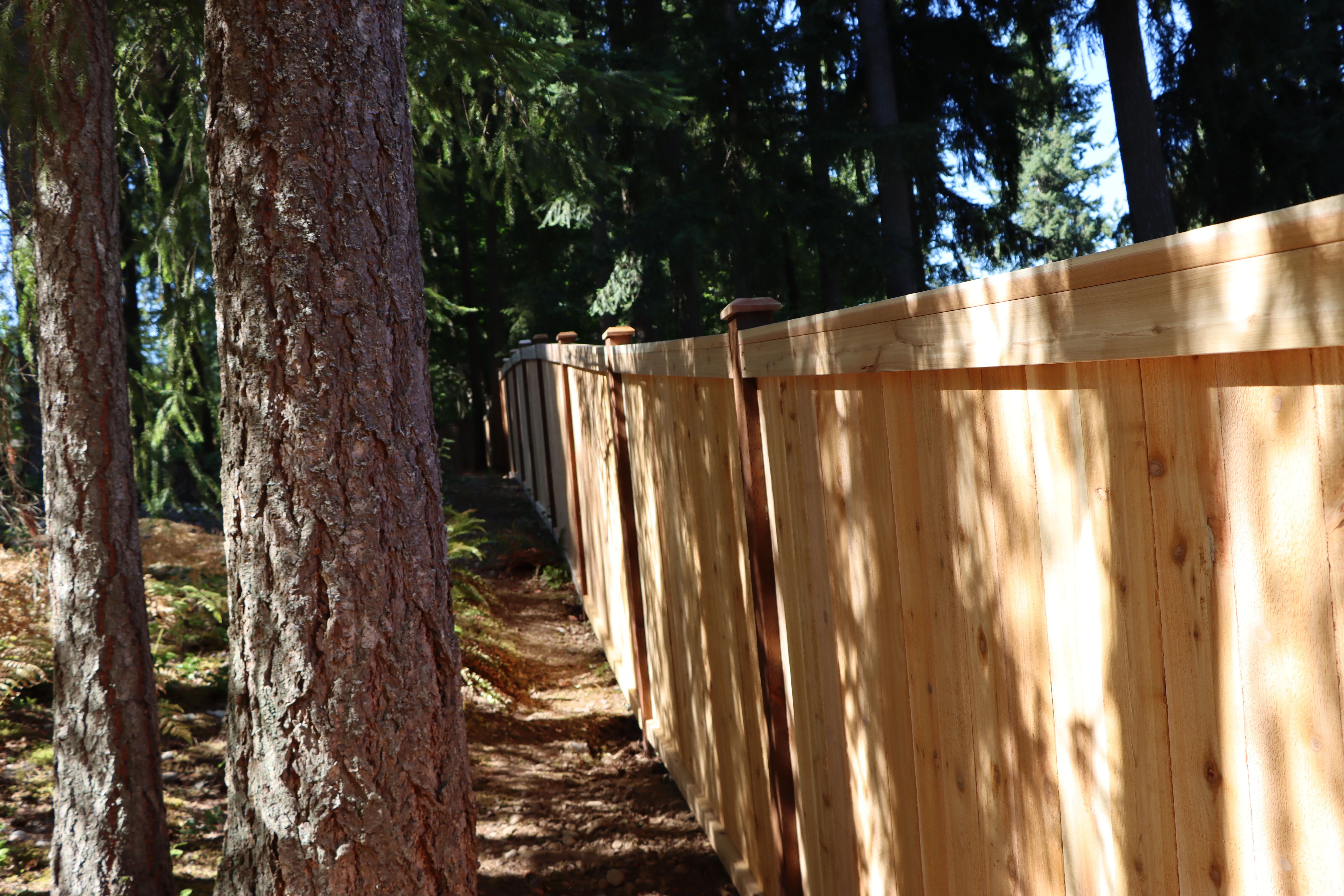
Navigating property boundaries and fence ownership can be a surprisingly complex issue for homeowners in Seattle and the wider Pacific Northwest. Whether you're planning a new fencing installation, facing a repair, or simply curious, understanding who owns a fence is crucial.
Ambiguity around neighbor fence responsibilities can lead to frustrating fence disputes. This guide will walk you through the steps to determine ownership, understand Seattle fence laws, and maintain good neighborly relations.
Why Knowing Fence Ownership Matters
Uncertainty about fence ownership can lead to significant headaches and unexpected costs. Without a clear understanding, you might invest time and money into a fence that isn't legally yours to maintain or alter.
Knowing who owns the fence directly impacts who is responsible for its maintenance, repairs, and replacement costs. It also dictates who has the authority to make changes to the structure or appearance.
Real-world failure
Ignoring fence ownership can lead to costly legal battles. Homeowners have been forced to remove fences they installed on a neighbor's property or pay for repairs to a fence they believed was solely their neighbor's responsibility.
Initial Steps to Determine Fence Ownership
Before jumping to conclusions or confronting a neighbor, gather as much information as possible. Several resources can help clarify the situation and prevent a potential fence dispute.
1. Review Your Property's Plat Map and Survey
Your plat map is a detailed diagram of your property, showing its boundaries and any easements. It's the most fundamental document for understanding your property line.
If you have a recent property survey, it will precisely mark your boundaries. This is often the most definitive proof of where your land ends and your neighbor's begins.
- Where to find it: Check your closing documents from when you purchased your home. If unavailable, contact the King County Recorder's Office or a local surveying company.
- What to look for: The map should show where your property lines fall in relation to existing fences or structures.
2. Observe the Fence's Construction and Placement
Sometimes, the way a fence is built can offer clues about its ownership. While not definitive, these observations can provide a starting point for discussion.
Generally, the safest assumption is simple: if the entire fence structure sits inside one property line, it belongs to that property owner. If it sits exactly on the shared boundary and both neighbors use it as a divider, it may function as a shared or "partition" fence.
Look for practical clues:
- Post placement: Posts entirely on one side often suggest that owner installed the fence on their land.
- Fence alignment: A fence that zigzags around trees, sheds, or landscaping may not follow the true property line.
- Age and materials: A newer section that does not match older neighboring runs may have been added by one owner.
- Retaining walls or grade changes: In Seattle's sloped neighborhoods, fences are often mounted near walls or terraces, which can make the actual boundary less obvious.
Pro tip
Visual clues are useful, but they are not proof. In Seattle's older neighborhoods, fences often predate current owners and may have been built before accurate surveys were common.
3. Check Permits, Records, and Prior Agreements
Seattle fence projects do not always require a construction permit, but records can still help. Check your closing paperwork, seller disclosures, HOA documents, remodel permits, and any emails or written agreements with neighbors.
Useful places to look include:
- Your title documents: These may identify easements, shared driveways, or boundary exceptions.
- Seller disclosure forms: Previous owners sometimes disclose fence repairs or neighbor agreements.
- Seattle permit records: If the fence was part of a larger project, it may appear in permit history.
- HOA or neighborhood covenants: Some Seattle properties, townhomes, and planned communities have fence maintenance rules separate from city code.
Written agreements matter because they can clarify who paid for the fence, who maintains it, and whether either neighbor has permission to attach gates, planters, lattice, or screening.
Three Common Fence Ownership Scenarios
Most Seattle fence ownership questions fall into one of three categories.
Scenario 1: The Fence Is Fully on Your Property
If the fence is inside your property line, it is typically your fence to maintain, repair, replace, or remove, subject to Seattle code, HOA rules, easements, and any private agreements.
This is the cleanest scenario. You still need to avoid building into the public right-of-way, blocking required access, or exceeding applicable height limits, but your neighbor generally does not control a fence located fully on your land.
Scenario 2: The Fence Is Fully on Your Neighbor's Property
If the fence is entirely on your neighbor's land, treat it as your neighbor's structure. Do not attach boards, trellis panels, lights, gates, vines, or privacy screens without permission.
If the fence is failing and affecting your property, start with a documented conversation. Photos, dates, and a clear repair request are far better than informal assumptions about who should pay.
Scenario 3: The Fence Is on the Boundary Line
Boundary-line fences are where most disputes begin. Washington's partition fence statutes, including RCW 16.60, address cost sharing and maintenance for certain shared fences between adjoining landowners.
For a residential Seattle homeowner, the practical takeaway is this: if both properties use the same fence as a boundary, do not assume either party can unilaterally remove it, move it, or demand payment without confirming the facts first. The safest path is to document the boundary, discuss the plan, and put any cost-sharing agreement in writing before work begins.
Important
This guide is general homeowner information, not legal advice. Boundary disputes, adverse possession questions, and contested shared-fence costs should be reviewed with a qualified attorney or licensed surveyor.
How Seattle Fence Rules Affect Ownership Questions
Fence ownership and fence code are related, but they are not the same thing. Ownership answers "whose fence is it?" Code answers "where and how can it be built?"
The Seattle Department of Construction & Inspections notes that many standard fences do not require a permit if they are 8 feet high or lower and do not include masonry or concrete elements over 6 feet, unless special site conditions apply. Seattle also limits fence height by zone and location, with neighborhood residential fences commonly limited to 6 feet plus certain open architectural features.
For ownership purposes, this matters because a fence can be:
- Privately owned but code-compliant
- Privately owned but built too tall
- Shared by neighbors but poorly documented
- Built inside one property line but mistaken for the legal boundary
- Placed in an easement or right-of-way where neither neighbor has full control
In other words, a fence can look normal and still create legal or practical problems if the property line was never confirmed.
What to Do Before Replacing a Questionable Fence
If you are planning a replacement and you are not sure who owns the existing fence, slow down before demolition.
- Photograph the fence from both sides. Capture posts, gates, grade changes, corners, and any damaged sections.
- Review your survey or order one. A survey is the clearest way to confirm the boundary before spending money.
- Talk to your neighbor early. Explain the project, proposed style, height, timeline, and whether you believe it is shared.
- Put agreements in writing. Even a simple email confirming cost sharing and maintenance responsibilities can prevent confusion later.
- Check easements and access. Utility easements, alleys, sidewalks, and shared driveways can affect where a fence may be installed.
- Confirm local rules. Seattle lots vary widely, especially on slopes, corner lots, waterfront properties, and older platted streets.
Real-world failure
The expensive mistake is removing a fence first and sorting out ownership later. If the fence turns out to be shared, misplaced, or subject to an easement, the replacement project can become a neighbor dispute instead of a simple installation.
Who Pays for Repair or Replacement?
Payment depends on location, use, and agreement.
If the fence is fully on your property, you should expect to pay for it. If it is fully on your neighbor's property, your neighbor generally controls whether it is replaced. If it is on the boundary and both properties rely on it, cost sharing may be reasonable, but the details should be confirmed before work starts.
In practice, Seattle homeowners often choose one of these arrangements:
- One owner pays for the full fence because they want a specific style, height, or timeline.
- Both owners split a basic replacement cost and one owner pays upgrades.
- Both owners agree that each will maintain the side facing their own property.
- One owner builds inside their property line to avoid a shared-fence dispute.
There is no substitute for a clear written agreement. Include the fence location, style, height, stain or finish, who pays, who maintains it, and what happens if future repairs are needed.
How MyFence Helps Avoid Boundary Problems
MyFence.com cannot decide legal ownership of a fence, but we can help you plan the project carefully. Before installation, our team reviews visible site conditions, discusses property-line concerns, and helps identify when a survey or neighbor agreement is needed before work begins.
For Seattle properties, this matters because many lots are tight, sloped, or surrounded by older fences that may not match the true boundary. A careful plan protects the project, the neighbor relationship, and the finished fence.
Final Takeaway
If you are asking, "Is that fence mine?", start with the property line, not the fence itself. A fence on your side is usually yours. A fence on your neighbor's side is usually theirs. A fence on the shared line should be treated carefully until ownership, maintenance, and cost sharing are documented.
The best next step is simple: gather your records, check for surveys and easements, talk to your neighbor, and avoid demolition until you know exactly where the fence stands.