
Best Wood Fence Treatments for Seattle's Climate: A Comprehensive Guide
Protect your investment with our expert guide to the best wood fence treatments for Seattle’s rainy climate. Essential tips for PNW homeowners. Read more!
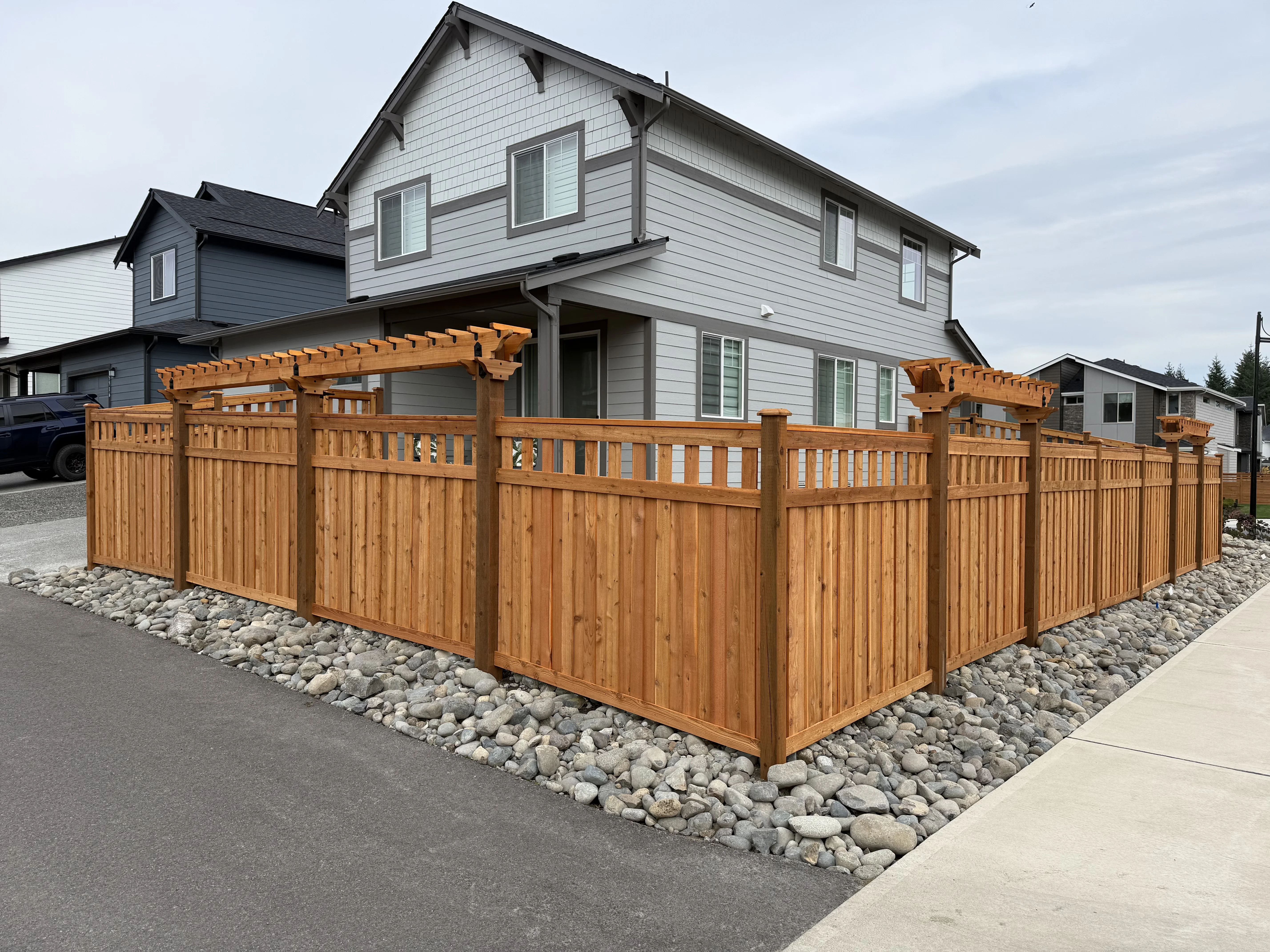
Seattle's unique climate, characterized by abundant rainfall, persistent humidity, and occasional intense sun, poses significant challenges for outdoor wood structures. Your beautiful wood fence is constantly battling moisture, moss, and UV degradation. Proper wood fence treatment Seattle isn't just an aesthetic choice; it's a critical investment in your fence's longevity and structural integrity.
This guide will walk homeowners and contractors through the best options for fence protection Pacific Northwest, ensuring your investment stands strong against the elements. We'll cover everything from understanding Seattle's climate challenges and common wood types to comparing treatment options and providing a step-by-step application guide. Learn about the best stains and sealants for cedar and pressure-treated wood, and get expert tips on ongoing maintenance to keep your fence looking its best for years to come. Whether you're a DIY enthusiast or prefer professional services, this comprehensive guide has you covered for all your wood fence treatment Seattle needs.
Why Seattle's Climate Demands Specialized Fence Treatment
The Pacific Northwest weather, while beautiful, is notoriously tough on wood. Our long, wet winters and humid summers create an ideal environment for moisture-related damage.
Persistent dampness leads to several issues, including the growth of unsightly moss, mildew, and algae. These organisms not only degrade the appearance of your fence but also trap moisture, accelerating wood rot and decay.
Even when the sun makes an appearance, UV rays can cause significant damage. They break down wood fibers, leading to graying, cracking, and warping. This combination of moisture and sun makes robust fence protection Pacific Northwest absolutely essential.
Important
Understanding the specific challenges of Seattle's climate is the first step in choosing the right wood fence treatment Seattle. The goal is to create a barrier against moisture while allowing the wood to breathe and resist UV damage.
Common Wood Types in PNW Fences
Before selecting a treatment, it's vital to know your fence's wood type. Different woods have varying natural resistances and respond differently to treatments.
Cedar: The PNW Favorite
Western Red Cedar is the most popular choice for fences in Seattle. It's naturally resistant to rot, decay, and insect infestation due to its natural oils. This makes cedar fence treatment Seattle a common topic for homeowners.
Despite its natural resilience, cedar still benefits immensely from proper treatment. It helps maintain its beautiful color, prevents graying, and extends its lifespan significantly.
Pressure-Treated Wood
Pressure-treated wood is another common option, especially for fence posts and structural components. It has been chemically treated to resist rot and insects.
While pressure-treated wood offers good initial protection, it still requires sealing or staining to prevent moisture absorption, warping, and UV damage. Treatment also improves its appearance, as untreated pressure-treated wood can look somewhat utilitarian.
Understanding Wood Fence Treatment Options
When it comes to wood fence treatment Seattle, you primarily have two main categories: stains and sealants. Each offers different levels of protection and aesthetic appeal.
1. Wood Stains
Fence stains penetrate the wood fibers, offering both protection and color. They come in various opacities, from transparent to solid.
- Semi-Transparent Stains: These stains add color while allowing the natural wood grain to show through. They contain pigments that offer good UV protection and are excellent for enhancing the beauty of cedar fence treatment Seattle.
- Solid Stains: Also known as opaque stains, these provide a paint-like finish that completely covers the wood grain. They offer the highest level of UV protection and are ideal for older, weathered fences or for changing the fence's color entirely. They require more frequent reapplication than paint but less than clear sealants.
2. Wood Sealants
Wood fence sealants typically form a protective barrier on the surface of the wood, repelling water. They are often clear or have very little pigment.
- Clear Water Repellents: These products primarily offer protection against moisture absorption. They are ideal if you want to preserve the natural look of your wood without adding color. However, they offer minimal UV protection, meaning your fence may still gray over time.
- Waterproofing Sealers: Some sealers combine water repellency with some level of UV inhibitors. These can be a good middle-ground if you want a clear finish with slightly better sun protection.
Pro tip
When choosing a fence stain PNW, look for products specifically formulated for exterior use in damp climates. Many quality products will explicitly mention mildewcides and UV inhibitors in their ingredients.
Comparing Top Treatment Options for Seattle Fences
Let's compare the most effective wood fence treatment Seattle options to help you make an informed decision.
| Feature | Semi-Transparent Stain | Solid Stain | Clear Wood Sealant |
|---|---|---|---|
| Protection | Good moisture, excellent UV | Excellent moisture, superior UV | Good moisture, minimal UV |
| Appearance | Enhances natural grain, adds color | Opaque, covers grain, paint-like | Preserves natural look, no color |
| Longevity | 3-5 years | 5-7 years | 1-2 years |
| Maintenance | Reapply as needed, easy prep | Reapply as needed, more prep | Reapply annually, easy prep |
| Ideal For | New/well-maintained cedar fences | Weathered fences, color change | Those prioritizing natural look |
For most Seattle homeowners with cedar fences, a high-quality semi-transparent stain is often the best balance of protection and aesthetics. It allows the natural beauty of the cedar to shine through while providing robust protection against our climate.
Step-by-Step: Applying Your Wood Fence Treatment
Proper application is just as crucial as choosing the right wood fence sealant Seattle or stain. Follow these steps for optimal results.
1. Preparation is Key
Thorough preparation ensures your treatment adheres properly and performs effectively. This is the most critical step for lasting fence maintenance Seattle.
- Clean the Fence: Use a pressure washer on a low setting (or a garden hose with a scrub brush) and a wood cleaner designed to remove dirt, grime, mold, and mildew. Allow the fence to dry completely, which can take several days in Seattle's climate.
- Repair Damage: Replace any rotted boards, tighten loose nails, and make necessary repairs. Sand down rough spots or splinters.
- Protect Surroundings: Cover plants, shrubs, and any adjacent structures with tarps or plastic sheeting to prevent overspray or drips.
2. Application Process
Once your fence is clean and dry, you're ready to apply the treatment.
- Stir Thoroughly: Always stir your stain or sealant thoroughly before and during application to ensure pigments and solids are evenly distributed.
- Test a Small Area: Apply the treatment to an inconspicuous spot first to check the color and how the wood absorbs it.
- Apply Evenly: Use a high-quality brush, roller, or sprayer. Apply in the direction of the wood grain, working in small sections. Avoid applying too thickly, as this can lead to an uneven finish or peeling.
- Allow for Drying: Follow the manufacturer's instructions for drying times between coats and before exposing the fence to rain. Seattle's humidity can extend drying times, so plan accordingly.
Real-world failure
Applying stain or sealant to a damp fence is a common mistake. Trapped moisture will prevent proper adhesion, leading to peeling, blistering, and premature failure of the wood fence treatment Seattle.
Recommended Products and Brands
While we don't endorse specific brands, several reputable manufacturers offer excellent products suitable for fence protection Pacific Northwest. Look for features like:
- UV Resistance: Essential for preventing graying and degradation from sun exposure.
- Mildewcides/Fungicides: Crucial for inhibiting mold, mildew, and algae growth in our damp climate.
- Water Repellency: Products that bead water effectively will protect against moisture absorption.
- Penetrating Formulas: Stains that penetrate the wood offer better long-term protection than those that merely sit on the surface.
Ask your local Seattle hardware store or lumberyard for recommendations tailored to cedar fence treatment Seattle. Brands like Ready Seal, Defy, and Olympic are often well-regarded for their performance in challenging climates.
Ongoing Fence Maintenance Schedule for the PNW
Regular fence maintenance Seattle is key to extending the life of your wood fence. It's not a one-and-done job.
Annual Check-up
- Inspect for Damage: Walk around your fence annually, preferably in the spring, to look for loose boards, signs of rot, insect damage, or areas where the treatment might be failing.
- Clean Regularly: Gently clean your fence annually to remove surface dirt, pollen, and any early signs of moss or mildew. A soft brush and mild soap solution can often suffice.
Reapplication Frequency
- Stains: Semi-transparent stains typically need reapplication every 3-5 years. Solid stains can last 5-7 years.
- Sealants: Clear sealants generally require reapplication annually or every two years, depending on the product and exposure.
Monitor your fence for signs that reapplication is needed, such as fading color, water no longer beading on the surface, or the appearance of mildew. Don't wait until the wood shows significant damage.
DIY vs. Professional Fence Treatment
Deciding whether to tackle your wood fence treatment Seattle yourself or hire a professional depends on several factors.
DIY Approach
- Pros: Cost-effective, allows for personal oversight, satisfying project.
- Cons: Time-consuming, requires proper equipment (pressure washer, sprayer), potential for uneven application or damage if inexperienced.
If you have a smaller fence, are comfortable with the tools, and have the time, DIY can be a rewarding experience. Just ensure you follow all instructions carefully.
Hiring a Professional
- Pros: Expertise ensures proper preparation and application, saves time and effort, often comes with warranties, professional-grade equipment.
- Cons: Higher upfront cost.
For larger fences, complex designs, or if you simply prefer to leave it to the experts, a professional fence maintenance Seattle company can provide a high-quality, long-lasting finish. They often have access to specialized products and techniques for optimal fence protection Pacific Northwest.
Conclusion: Protect Your Seattle Fence Investment
Your wood fence is a significant investment that enhances your property's privacy, security, and curb appeal. In Seattle's challenging climate, proactive and proper wood fence treatment Seattle is non-negotiable for its long-term health and beauty.
By choosing the right fence stain PNW or wood fence sealant Seattle, and committing to a consistent fence maintenance Seattle schedule, you can protect your fence from rot, decay, and UV damage for years to come. Don't let the Pacific Northwest weather diminish your fence's appeal – arm it with the best protection available.