
2026 Wood Fence Material Costs: Seattle Outlook & Budgeting Guide
Forecast 2026 wood fence material costs in Seattle & Pacific Northwest. Get insights on Seattle cedar fence prices, DIY fence materials, and budgeting for your project.
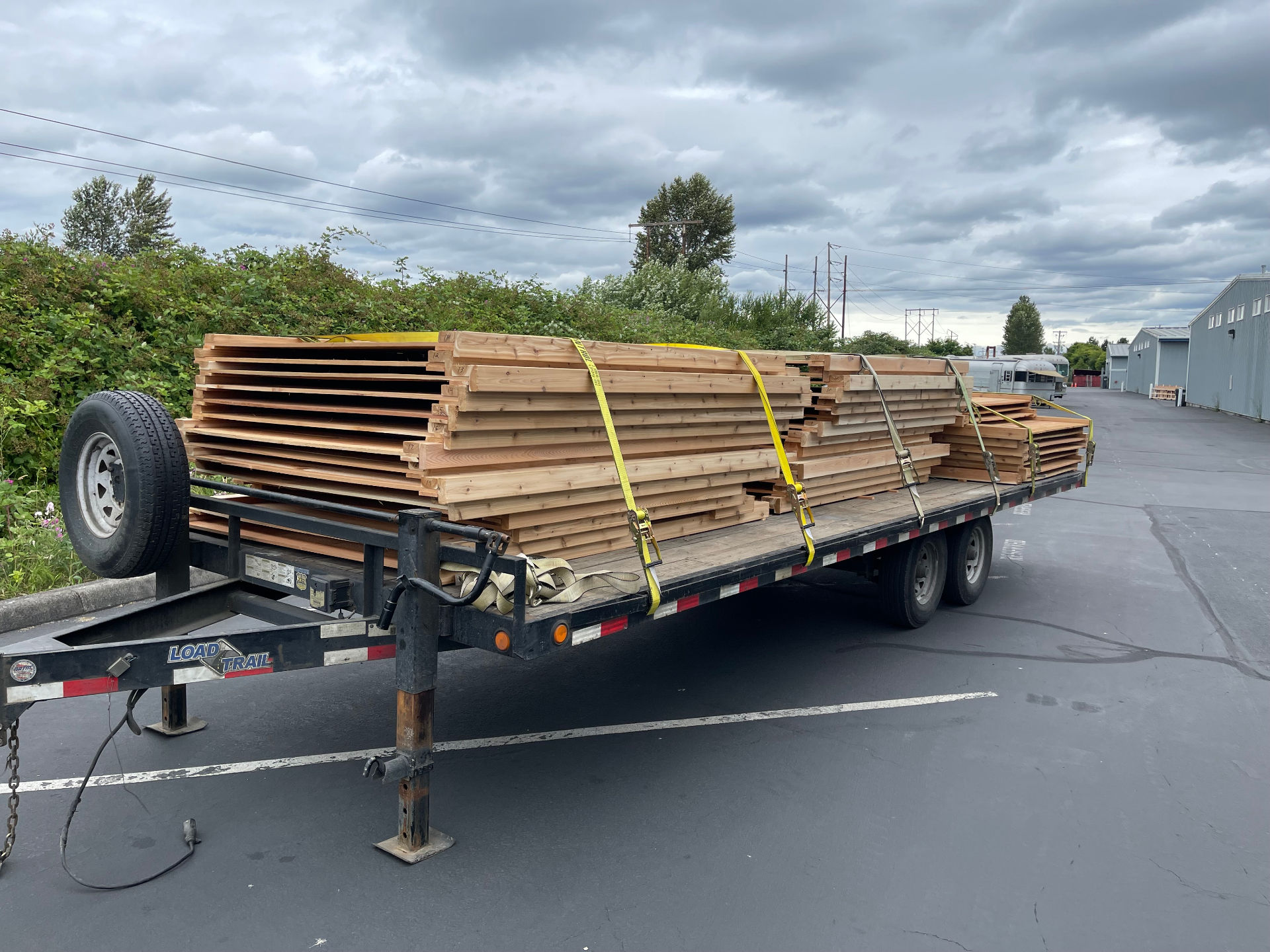
Planning a new fence project for 2026 in the Seattle area? Understanding 2026 wood fence material costs is crucial for both homeowners and contractors. The Pacific Northwest market has unique factors that influence lumber prices.

This comprehensive guide will break down the expected Seattle cedar fence prices, explore other wood options, and help you budget effectively for your upcoming project. We'll cover everything from market forecasts to DIY material considerations.
Understanding the Market: Factors Influencing 2026 Wood Fence Costs
Several key elements will shape Pacific Northwest lumber cost for fencing materials in 2026. These factors are often interconnected and can lead to price fluctuations throughout the year.
Keeping an eye on these trends will help you make informed purchasing decisions. Early planning can often lead to better deals on materials.
Lumber Supply and Demand Dynamics
The Pacific Northwest is a major lumber-producing region, but global demand significantly impacts local prices. Housing market activity, both domestically and internationally, drives the need for wood products, including fencing lumber.
Supply can also be affected by weather events, wildfires, and timber harvesting regulations. These factors directly influence the availability and cost of raw materials for your fence.
Important
Global economic shifts and regional harvesting conditions are major drivers of Pacific Northwest lumber cost. Stay updated on industry news to anticipate price changes.
Economic Outlook and Inflation
Inflationary pressures and interest rate changes can influence the overall cost of goods, including lumber. When the cost of doing business rises for mills and suppliers, these increases are typically passed on to consumers.
Monitoring economic forecasts can provide insights into potential price stability or volatility. A stable economic environment generally leads to more predictable material costs.
Transportation and Fuel Costs
The journey of lumber from forest to mill to your local supplier involves significant transportation. Fuel prices directly impact the cost of shipping materials, which is then factored into the final retail price of your fence components.
Logistics and supply chain efficiency also play a role. Disruptions can cause delays and drive up prices, even for locally sourced materials.
Seattle Cedar Fence Prices: What to Expect
Western Red Cedar remains the gold standard for fencing in the Seattle area due to its natural beauty, durability, and resistance to rot and insects. Understanding the different grades and cuts is essential for budgeting.
While specific Seattle cedar fence prices for 2026 are still a forecast, we can provide estimated ranges based on current trends and anticipated market conditions.
Why Cedar is King in the PNW
Cedar's inherent qualities make it ideal for the Pacific Northwest's damp climate. Its natural oils protect against moisture, decay, and pests, ensuring a longer lifespan compared to many other wood types.
Beyond its practical benefits, cedar offers an attractive aesthetic that complements many Seattle homes. It weathers beautifully to a silvery-gray or can be stained to maintain its rich color.
Grades of Cedar Fencing Material
Cedar comes in various grades, each with different visual characteristics and price points:
- Clear Grade: The highest quality, virtually knot-free. It's the most expensive and often used for premium privacy fences or specific design elements.
- Knotty Grade (Standard/Utility): Contains sound knots and natural wood characteristics. This is the most common and cost-effective option for many fence styles, offering a rustic appeal.
- Construction Common: A more economical grade, which may include larger knots, some wane, or other natural imperfections. Suitable for less visible areas or budget-focused projects.
Estimated 2026 Cedar Component Costs (Materials Only)
Below are estimated ranges for common Seattle cedar fence prices per linear foot for materials, assuming standard 6-foot heights. These are forecasts and can vary by supplier and market conditions.
| Component Type | Estimated 2026 Cost (per linear foot) |
|---|---|
| Cedar Pickets (6' tall) | $3 - $7 |
| Cedar Rails (16' length) | $2 - $4 |
| Cedar Posts (4x4x8') | $8 - $15 |
| Total Material Cost (Basic Privacy Fence) | $18 - $35 |
Pro tip
Always get quotes from multiple local suppliers for your 2026 wood fence material cost. Prices can vary significantly based on volume, grade, and current inventory.
Other Wood Fence Material Options for Seattle Homeowners
While cedar is popular, it's not the only choice. Other wood types offer different price points and characteristics, which might better suit your fence material budget or specific project needs.
Consider these alternatives if Seattle cedar fence prices exceed your planned spending. Each material has its own set of pros and cons regarding cost, durability, and aesthetics.
Pressure-Treated Pine
Pressure-treated pine is a more economical alternative to cedar. It's chemically treated to resist rot, decay, and insect infestation, making it suitable for ground contact and outdoor use.
However, it lacks the natural beauty and stability of cedar. It's prone to warping, twisting, and checking (cracking) as it dries, and often requires more maintenance and sealing.
Douglas Fir
Douglas Fir is another common lumber species in the Pacific Northwest. While not typically used for fence pickets due to its susceptibility to rot when in ground contact, it can be used for fence posts if adequately treated or for rails if kept off the ground and regularly maintained.
It's generally less expensive than cedar but requires more preventative measures against decay. It's a strong wood but less naturally resistant to the elements than cedar.
Wood Type Comparison for Fencing
| Feature | Western Red Cedar | Pressure-Treated Pine |
|---|---|---|
| Durability | Excellent natural resistance to rot & insects | Good resistance due to chemical treatment |
| Appearance | Beautiful, aromatic, weathers to silver-gray | Can be greenish, prone to warping/cracking |
| Maintenance | Low, naturally resistant | Higher, requires regular sealing/staining |
| Cost (Materials) | Higher | Lower |
| Lifespan | 15-25+ years | 10-20 years |
DIY Fence Materials 2026: Budgeting for Success
For homeowners considering a DIY project, understanding the full scope of DIY fence materials 2026 is vital. Beyond the lumber, you'll need various hardware and supplies to ensure a sturdy and long-lasting fence.
Accurately estimating these additional costs will prevent budget surprises. Don't forget to account for potential tool rentals if you don't own all the necessary equipment.
Essential Non-Lumber Materials
- Concrete Mix: For setting fence posts securely. The amount needed depends on post size and depth.
- Fasteners: Galvanized or stainless steel nails or screws are crucial to prevent rust streaks and ensure longevity. Regular steel fasteners will corrode quickly.
- Post Caps: Protect post tops from moisture, extending their life. Available in various materials and styles.
- Gate Hardware: Hinges, latches, and possibly a drop rod for double gates. Choose heavy-duty, rust-resistant options.
- Stain/Sealant: Recommended for most wood fences to protect against UV damage and moisture, extending the fence's life and maintaining its appearance.
Tips for Saving on DIY Materials
- Buy in Bulk: Many lumber yards offer discounts for larger material orders. Coordinate with neighbors if you only need a bit more than a small order.
- Shop Off-Season: Late fall or winter can sometimes offer better prices on lumber as demand slows down.
- Compare Suppliers: Check prices at big box stores, local lumber yards, and specialty fence suppliers. Their pricing can differ significantly.
- Utilize Sales: Keep an eye out for seasonal sales or contractor discounts, even if you're a homeowner doing DIY.
Forecasting Your 2026 Wood Fence Cost
To create an accurate fence material budget, you'll need to calculate the total linear footage of your fence and consider the style. Different fence designs require varying amounts of lumber and hardware.
This section will help you forecast the overall wood fence cost forecast for materials, allowing you to plan your project with confidence.
Estimating Material Costs Per Linear Foot (Seattle Average)
Multiply the estimated material cost per linear foot by your total linear footage. Remember these are for materials only and do not include labor or tools.
| Fence Style | Wood Type | Estimated 2026 Material Cost (per linear foot) |
|---|---|---|
| Privacy (6' tall) | Cedar (Knotty) | $20 - $35 |
| Privacy (6' tall) | Pressure-Treated Pine | $12 - $25 |
| Picket (4' tall) | Cedar (Knotty) | $15 - $28 |
| Picket (4' tall) | Pressure-Treated Pine | $9 - $20 |
| Semi-Private (6' tall) | Cedar (Knotty) | $18 - $30 |
Real-world failure
Underestimating the cost of hardware and concrete is a common mistake in DIY fence projects. These seemingly small items add up quickly and can derail your fence material budget if not planned for.
Navigating Local Regulations in Seattle
Before digging a single post hole, it's critical to understand Seattle's fence regulations. Ignoring these can lead to fines or the costly removal and reinstallation of your fence.
Always check with the Seattle Department of Construction & Inspections (SDCI) for the most current requirements. Local codes are designed to ensure safety and neighborhood aesthetics.
Key Regulations to Consider:
- Permits: Fences over a certain height (often 6 feet) typically require a building permit in Seattle. Check specific requirements based on your property type and location.
- Height Limits: Standard residential fence height limits are usually 6 feet in side and rear yards, and 4 feet in front yards. Corner lots may have specific sightline restrictions.
- Property Lines: Ensure your fence is built entirely on your property or shared precisely on the property line with agreement from your neighbor. Encroachment can lead to legal disputes.
- Easements: Check your property survey for any utility easements. Fences cannot be built within an easement without specific permission, as they may need to be removed for utility access.
Conclusion: Plan Ahead for Your 2026 Fence Project
Navigating 2026 wood fence material cost in Seattle requires careful planning and research. By understanding market influences, comparing wood types, and meticulously budgeting for all components, you can achieve a beautiful and durable fence without breaking the bank.
Whether you're a DIY enthusiast or hiring a contractor, being informed about Seattle cedar fence prices and other options will empower you. Start gathering quotes and planning your material purchases early to lock in the best prices for your 2026 project.